Study says newborn girls are less likely to get vitamin K shots. Why is that?
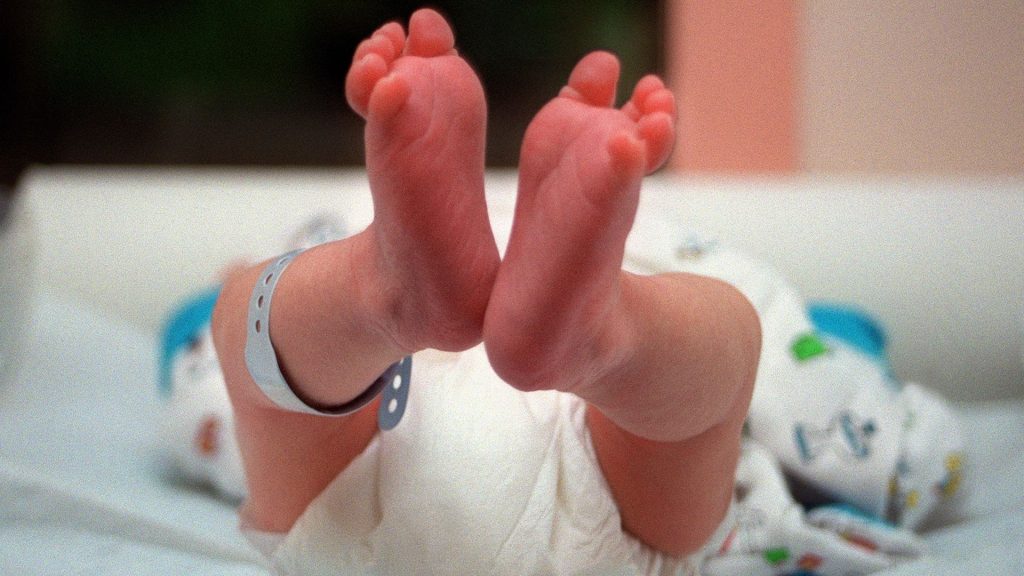
A new study suggests that newborn girls are less likely to get vitamin K injections at a time when more and more parents are opting out of the preventative measure.
The research, published in JAMA Network Open, also showed that parents were less likely to give girls the hepatitis B vaccine.
Researchers analyzed data on 93,163 newborns at three centers of the University of Pennsylvania Health System in Philadelphia between January 2018 and December 2025. Of these thousands of babies, 777 did not receive the vitamin K shot, or VK prophylaxis, and 9,400 did not get the hepatitis B vaccination. The 777 newborns whose parents rejected the vitamin K injection also did not get vaccinated for hepatitis B.
While vitamin K shot decline rates doubled for both genders, two-thirds of those who went without one were female. For female newborns, the rate of VK prophylaxis refusals increased by 1.37 per 1,000 female births each year.
Why do newborns need a Vitamin K shot?
Vitamin K is necessary for blood to clot normally. Babies are born with small amounts of it, according to the Centers for Disease Control, which could potentially cause serious bleeding issues. Something as small as a nick, scratch or bruise could result in catastrophic bleeding or vitamin K deficiency bleeding (VKDB). Although babies do get vitamin K from breast milk, it’s not enough to protect them.
Even one vitamin K shot can protect newborns from having bleeding problems that lead to brain damage or death, the CDC said.
“Sociocultural, religious and individual factors likely impact parental decisions to decline recommended evidence-based newborn care, but minimal data describe such decision-making through a sex-specific lens,” researchers said. “Our centers have substantial baseline male circumcision rates, and we speculate that desire for circumcision may influence VK prophylaxis acceptance among otherwise hesitant parents of male newborns.”
This could be because a commonly encountered complication in circumcision can be bleeding, according to Stanford Medicine, though almost all cases are mild.
“We observed that circumcision preferences influenced parental acceptance of VK prophylaxis, and hypothesized that the newborn’s sex may also influence decisions regarding VK prophylaxis and other newborn care practices,” researchers said.
When it comes to parents declining to give their newborns the hepatitis B vaccination, researchers noted the Centers for Disease Control and Prevention no longer recommends it.
“This change conflicts with American Academy of Pediatrics guidance and may confuse families, reinforce vaccine misinformation, and exacerbate declining vaccination rates,” researchers said.
Although it has been a routine shot for decades, several different studies show that refusals to get VK prophylaxis are increasing. One research team analyzed a national database of health records, with a focus on babies born from 2017 to 2024. Over that eight-year period, there was a 77% increase in babies who did not receive the shot. Out of five million newborns they looked at, 3.92%, or almost 200,000, didn’t receive the vitamin K shot.
“There may be a growing perception among parents that vitamin K is unnecessary,” Kristan Scott, the lead researcher in the study, said. “Unfortunately, opting out of vitamin K for a newborn is akin to gambling with a child’s health, forgoing a straightforward and safe measure that effectively prevents severe complications.”
Round out your reading
- Could a common dietary supplement accelerate Alzheimer’s?
- NY AG Letitia James gets hundreds of taunts, racial slurs in ICE public reporting portal.
- As Musk becomes the first trillionaire, historian sees warning signs.
- An experimental weight loss drug is so effective, many Americans don’t care it’s not FDA approved.
- How search engine optimization reduced Simone Biles to an ‘NFL wife’.
Ella Rae Greene, Editor In Chief