A parasitic tapeworm has been detected across the US, posing a risk to pets and humans
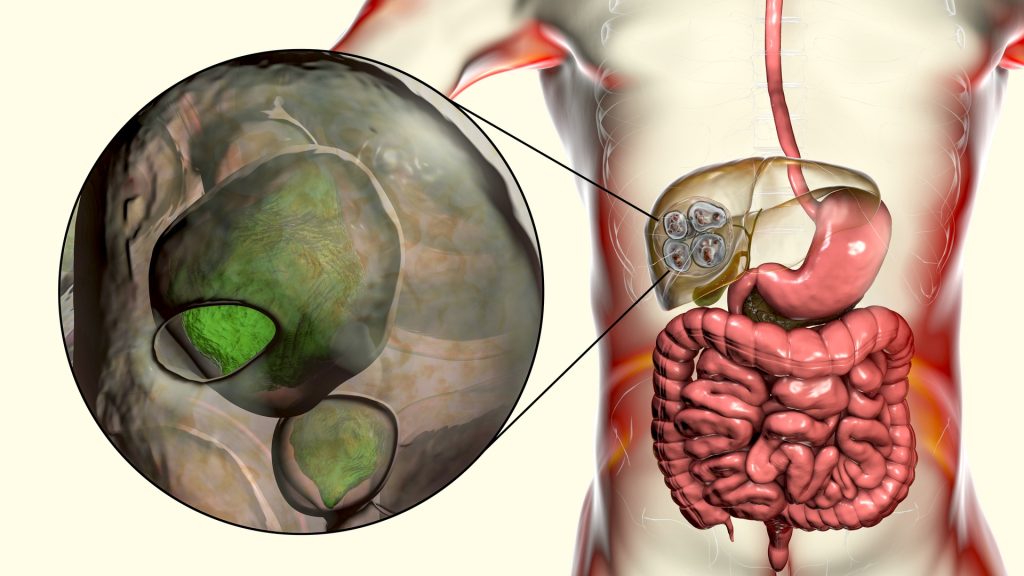
A potentially deadly tapeworm is spreading across the U.S., and was just found in a pack of Pacific Northwest coyotes.
Researchers with the University of Washington say Echinococcus multilocularis is a disease-causing tapeworm that lives primarily in coyotes, foxes and other species. However, it can cause severe disease if passed to dogs or humans.
It was detected earlier this year when researchers surveyed over 100 coyotes near Puget Sound. Of those tested, 37 tested positive for E. multilocularius.
“The fact that we found it here in one-third of our coyotes was surprising, because it wasn’t found anywhere in the Pacific Northwest until earlier this year,” said lead author Yasmine Hentati.
The parasite’s history
According to a university report, E. multilocularius has long been recognized as a public health threat in parts of the Northern Hemisphere, specifically in Europe and Asia. However, it was extremely rare in North America until about 15 years ago.
Around that time, cases began popping up in humans and dogs in the Midwest and Canada. Now, it has spread to the other side of the U.S.
“This parasite is concerning because it has been spreading across North America,” Hentati said. “There have been numerous cases of dogs getting sick, and a handful of people have also picked up the tapeworm.”
If it infects a person or animal, E. multilocularius can produce cancer-like cysts in the liver and other organs. The university says that, without treatment, it can even be fatal.
How the parasite spreads
While the parasite seems to be spreading and does in fact pose a danger to humans and animals, there are many cases where infected animals don’t become sick.
Officials say coyotes serve as the primary hosts for the tapeworms. They can carry thousands of worms in their intestines without ever becoming sick. The worms, however, release eggs that enter the environment via coyotes’ feces.
Rodents and other animals that come into contact with those feces can become infected. They develop cysts and eventually die, and coyotes then eat those rodents, infecting the coyotes themselves.
Pets and humans, however, are considered accidental hosts as they are not part of the regular cycle. People can become infected if they swallow tapeworm eggs through food contaminated with coyote or dog feces.
The challenge, Washington researchers say, is that the infection can lead to alveolar echinococcosis, a disease marked by slow-growing cancerous cysts. Symptoms of the cysts, however, may not appear until 5 to 15 years after exposure.
According to Science Daily, alveolar echinococcosis is considered the third most important food-borne illness globally, and many countries have established monitoring programs to track the disease.
And despite the number of cases in coyotes, officials say human infections remain rare in the U.S., and no cases have been reported on the West Coast.
Keeping your pets safe
The good news is there are steps pet owners can take to ensure their dog and themselves stay safe.
“To minimize the risk of dogs getting infected with E. multilocularis, owners should not let them prey on rodents or scavenge their carcasses,” said co-author Guilherme Verocai, who also recommended routine veterinary care, including parasite testing, and preventative medications for worms and ticks.
Round out your reading
- People are overdosing on GLP-1 injections. What does that look like?
- Researchers put chatbots in a simulation. Grok ended the world in 4 days.
- Fearing more e-bike injuries, Illinois looks to become 10th state to mandate registration, insurance.
- Why are young professionals facing such a tough job market? Hint: It’s not just AI.
- We’re building a new Straight Arrow. Help us shape our future by taking our survey.
Ella Rae Greene, Editor In Chief