Trump says Iran will be hit ‘very hard tonight,’ vows control of key oil hub
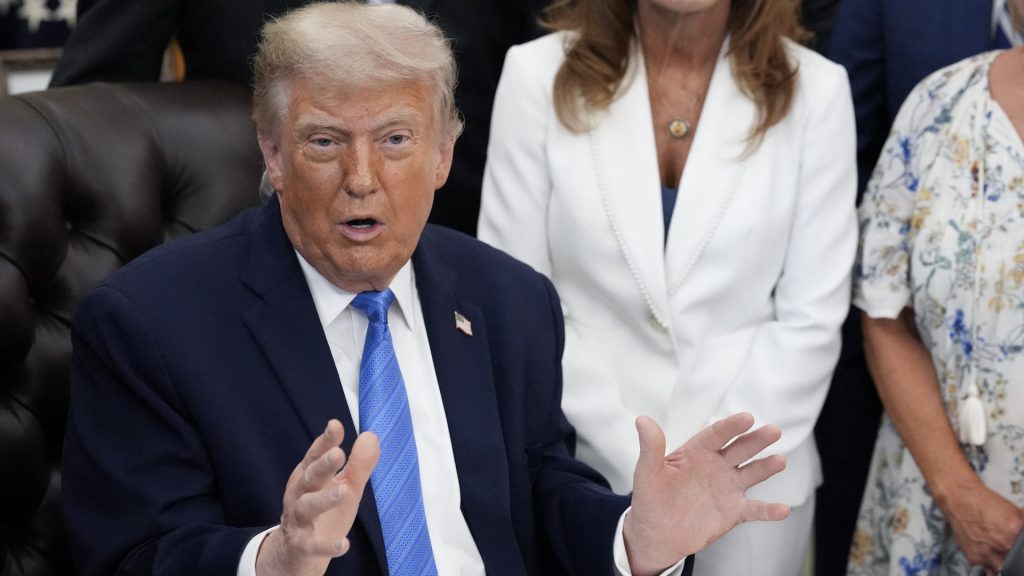
The United States launched another round of strikes inside Iran overnight, and President Donald Trump openly threatened another major escalation Thursday evening focused on Iran’s energy infrastructure.
In a Truth Social post, Trump said the United States would hit Iran “VERY HARD TONIGHT” and declared that America forces would eventually move to take control of key parts of Iran’s oil and gas infrastructure, including Kharg Island, the country’s priamry oil export hub. He compared the plan to previous U.S. operations in Venezuela and said Washington would assume control of Iran’s energy markets in the future.
Hours earlier, U.S. forces hit military targets across Iran shortly after midnight local time, targeting surveillance systems, communications infrastructure and air defenses, according to U.S. Central Command. Iranian media reported explosions in several locations, including Bandar Abbas and other areas near the Strait of Hormuz.
Iran’s Foreign Ministry said Thursday that the latest U.S. attacks had “effectively rendered the April 8 ceasefire meaningless,” calling the strikes a “flagrant violation” of international law and warning of “extremely dangerous consequences” if the fighting expands.
The operation followed Trump’s warning Wednesday that Iran would “pay the price” if negotiations continued to drag on. Hours before the strikes began, he indicated additional military action could follow if Tehran refused to accept terms for ending the conflict.
Iran expands its response
Iran’s Revolutionary Guard said it retaliated by targeting U.S. positions and interests across the region.
Bahrain activated its air defenses and later said its military intercepted multiple aerial threats, according to the Associated Press. Kuwait reported intercepting hostile targets and temporarily shut down its airspace out of concern for civilian aircraft. In Jordan, officials said air defenses intercepted missiles headed toward an area that includes a base used by American forces.
The regional fallout extended beyond military installations. Warning sirens blared in Bahrain, commercial flights were diverted around parts of the Gulf, and governments across the region moved quickly to secure their airspace.

Iran also again insisted that the Strait of Hormuz is closed to shipping traffic, an assertion the U.S. military rejects.
White House links military pressure to diplomacy

The administration is no longer describing the strikes only as responses to specific Iranian actions.
While this week’s fighting began after the downing of an American Apache helicopter near the Strait of Hormuz, senior officials are increasingly showcasing the military action as leverage designed to force Iran negotiating table.
Defense Secretary Pete Hegseth made that argument directly on Wednesday while in Cuba.
“It’s right there; they have that chance; they’re choosing to play games,” Hegseth said. “They’re choosing to tap. If they want to tap, then, then the president will turn to the War Department. If we need to negotiate with bombs, we’ll negotiate with bombs, and we’re very good at it.”
Hegseth said Trump “has given Iran an open hand to make this deal. It’s right there, they have that chance, they’re choosing to play games.”
Talks continue with no breakthrough
Even with missiles and drones crisscrossing the region overnight, diplomatic efforts are still ongoing.
A Qatari delegation coordinating discussions with Iranian officials left Tehran early Thursday after talks that stretched into the overnight hours, according to CNN.
Round out your reading
- People are overdosing on GLP-1 injections. What does that look like?
- Researchers put chatbots in a simulation. Grok ended the world in 4 days.
- Fearing more e-bike injuries, Illinois looks to become 10th state to mandate registration, insurance.
- Why are young professionals facing such a tough job market? Hint: It’s not just AI.
- We’re building a new Straight Arrow. Help us shape our future by taking our survey.
Ella Rae Greene, Editor In Chief