June’s sky puts on a show with planets and a vanishing Venus
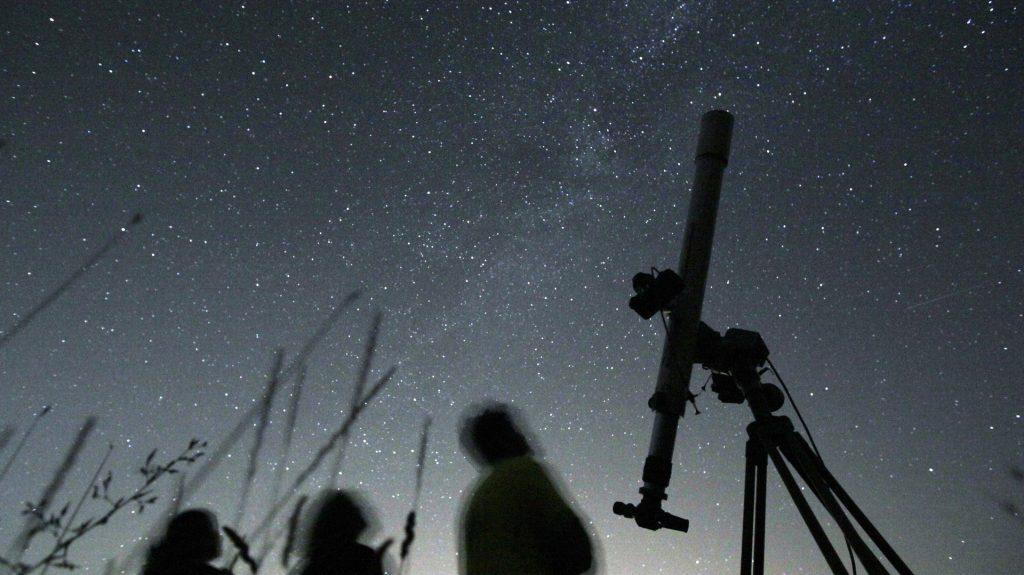
If you’ve been meaning to spend more time under the night sky, June is a great month to start. A mix of bright planets and a striking lunar event will give skywatchers plenty to look at, according to NASA.
Right after sunset on Tuesday, look toward the western sky and you’ll spot Venus and Jupiter appearing unusually close together.
This event is called a planetary conjunction. It happens when planets line up from our point of view on Earth, even though they’re still far apart in space.
Just a couple of days later, Mercury joins the scene. From June 11-15 you will be able to see a small “parade” of the three planets low on the horizon.
Venus will be the easiest to pick out because it’s the brightest. Jupiter will be nearby, while Mercury will sit lower in the sky. Hope for clear skies as you’ll need a clear view of the western horizon to catch it before it fades into the twilight.
On June 17, the moon will pass in front of Venus in what’s known as a lunar occultation.
In some parts of the United States, you may actually see Venus disappear behind the moon and then reappear later. Even if you’re outside that path, the moon and Venus will still appear close together in the sky.
A word of caution. These solar sites may happen in some areas when the sun is still present. NASA warns not to use binoculars, telescopes or cameras to view the sky near the sun without proper protection. Doing so can seriously damage your eyes.
Round out your reading
- People are overdosing on GLP-1 injections. What does that look like?
- Researchers put chatbots in a simulation. Grok ended the world in 4 days.
- Fearing more e-bike injuries, Illinois looks to become 10th state to mandate registration, insurance.
- Why are young professionals facing such a tough job market? Hint: It’s not just AI.
- We’re building a new Straight Arrow. Help us shape our future by taking our survey.
Ella Rae Greene, Editor In Chief