People are overdosing on GLP-1 injections. What does that look like?
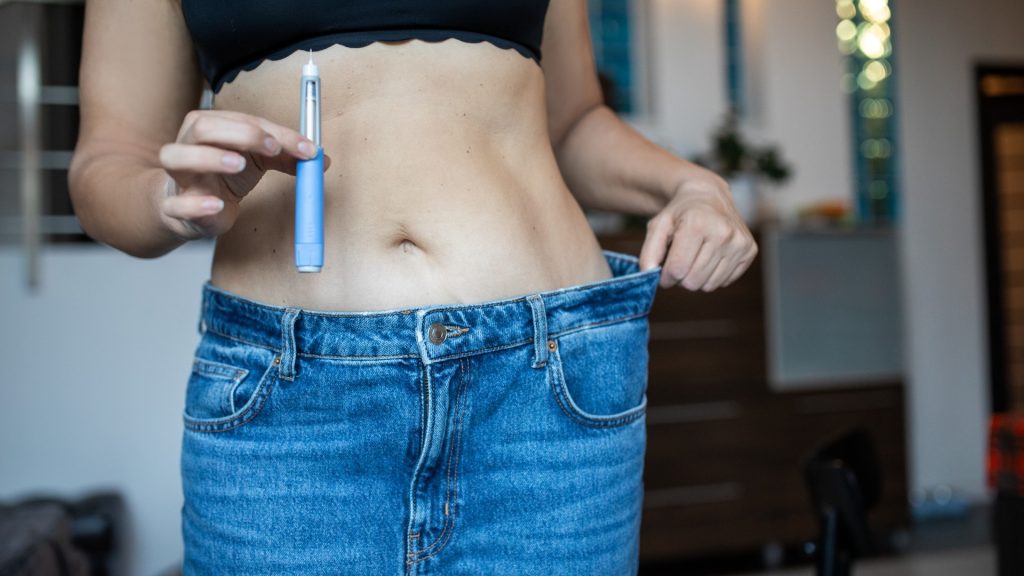
More Americans than ever are turning to glucagon-like peptide-1s, or GLP-1s, to reach their weight loss goals, and with the rise in telehealth in the wake of the COVID-19 pandemic, getting them is easier than ever. But as use grows, so do cases of adverse effects and overdose.
Between 2021 and 2026, GLP-1 prescriptions for weight loss quadrupled from just under 3% to nearly 13%, according to Epic Research. And GLP-1 overdoses have spiked dramatically in the U.S., with a 1,500% increase in calls to poison control centers nationwide just since 2019.

The National Poison Data System started tracking GLP-1 exposure calls in their own class in 2016. That year, people reported 241 GLP-1 exposures to poison control centers. By 2022, that had jumped to 2,170.
It’s not just telehealth to blame
Online pharmacies make it easy for those looking to shed some weight to get their hands on GLP-1s like semaglutide and tirzepatide, but experts warn that providers who write prescriptions without any in-person appointments or pharmacy visits can easily prescribe these drugs to people who shouldn’t be taking them. They also raise concerns about a lack of follow-up care and dosage errors.
But it’s not just telehealth companies contributing to the spike in calls related to adverse effects. In fact, a KFF poll found that most patients who have taken a GLP-1 got their prescription from their primary care doctor.
Unbiased. Straight Facts.TM
1 in 8 adults say they’ve taken a GLP-1 drug, according to KFF.

Some people blame the drug manufacturers themselves, with hundreds of lawsuits already filed against major pharmaceutical companies like Eli Lilly and Novo Nordisk, the makers of Zepbound and Wegovy, respectively.
Sometimes, it’s simply a mistake. Poison centers say they are most often contacted about accidental errors like taking doses too close together or taking a higher-than-recommended dose at once.
That’s especially true for people who get their GLP-1s from online compound pharmacies. For compounded products. According to Medscape, some patients have reported accidentally taking 10 times the recommended dose while using a syringe due to confusing measurement units.
What does a GLP-1 overdose look like?
It can be hard to tell the difference between GLP-1 side effects and an overdose, as they often look the same.
Common side effects include nausea, vomiting, diarrhea, constipation and abdominal pain. The biggest difference is that in the event of an overdose, symptoms tend to be more severe and last longer.
Round out your reading
- Plea bargains keep America’s courts running. Guilt or innocence barely matters.
- Trump says the media isn’t covering one of his biggest accomplishments. We checked.
- Mike Lindell denied MyPillow was hacked. Its private data is now online.
- Red meat allergy rises with ticks as HHS targets Lyme disease, alpha-gal syndrome.
- We’re building a new Straight Arrow. Help us shape our future by taking our survey.
Ella Rae Greene, Editor In Chief