Proposal to criminalize hunting and fishing clears major hurdle
A proposal that would dramatically reshape Oregon’s animal cruelty laws, and effectively criminalize hunting and fishing, is one step closer to reaching voters.
Supporters of the People for the Elimination of Animal Cruelty Exemptions (PEACE) Act, known as IP 28, say they have collected more than 120,000 signatures, exceeding the 117,173 required to qualify for Oregon’s November ballot.
The proposal would redefine Oregon’s animal cruelty laws and allow animals to be killed only by veterinarians or when they pose an immediate danger to people or other animals.
Supporters say the measure would extend protections currently afforded to pets. Opponents argue it would fundamentally alter hunting, fishing, farming and ranching across the state.
What would change
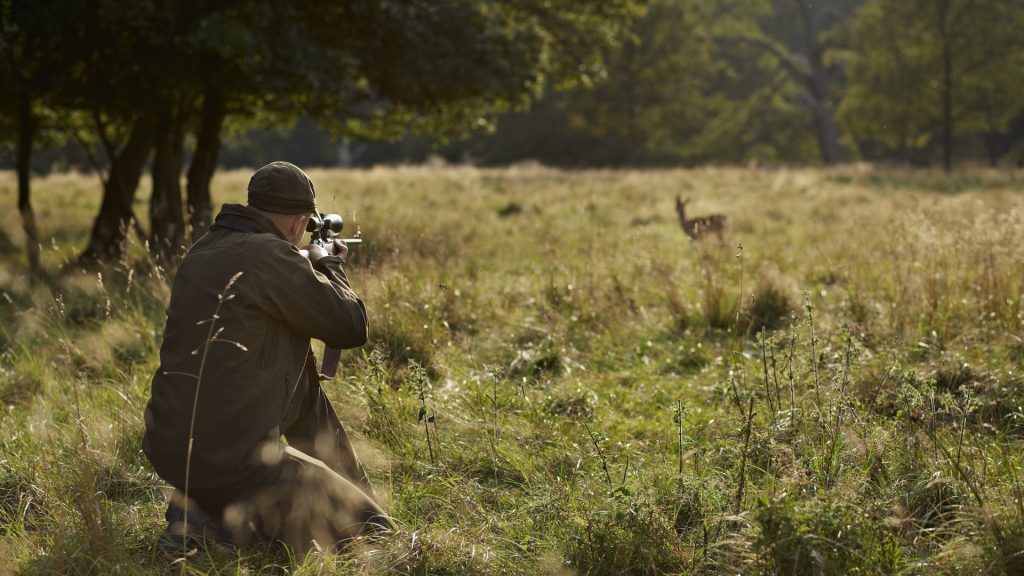
If approved, the measure would effectively prohibit hunting and fishing in Oregon.
It would also ban a range of agricultural and livestock practices, including slaughtering animals for food, castration and neutering of livestock, rodeo participation, some forms of animal research and even pest control, according to opponents and legal analyses of the proposal.
The initiative includes a transition fund intended to provide job retraining, income replacement and food assistance for people affected by the changes.
Unbiased. Straight Facts.TM
Hunting and fishing generate an estimated $1.9 billion in economic activity every year, according to the Oregon Hunters Association.

Economic impact concerns
The debate has drawn significant attention because hunting and fishing are deeply tied to Oregon’s outdoor economy.
According to the Oregon Department of Fish and Wildlife, more than 630,000 people participate in fishing and shellfishing each year. The agency estimates those activities generate about $150 million in yearly income and contribute to thousands of jobs.
Hundreds of thousands of people travel there every year to fish and tens of thousands go there to hunt. According to the state’s Department of Fish and Wildlife (ODWF), nonresidents purchase upwards of 15,000 short-term or annual angling licenses every year, and more than 20,000 big game hunting tags.
The agency also estimates hunting license sales generate between $28 million and $32 million each year, with those dollars helping fund wildlife management, conservation and agency operations.
Gov. Tina Kotek has publicly opposed the proposal.
“I don’t support IP 28 because I believe criminalizing standard agricultural practices and lawful activities like hunting and fishing would be the wrong direction for Oregon,” Kotek said in a statement. “As your Governor, I will continue to champion strong animal welfare protections while respecting the long-standing traditions and livelihoods of farmers, ranchers, fishermen, and hunters across our state.”
State Sen. Christine Drazan called the proposal “an all-out assault on Oregonians’ way of life.”
Can it make the ballot?
Supporters have surpassed the required signature threshold, but Oregon election officials must still verify the signatures before the measure can qualify.
Even supporters acknowledge passage could be difficult in a state where hunting, fishing, farming and ranching remain major industries.
Backers argue the proposal’s early success reflects a broader interest in debating how animals are treated.
“We want people to actually recognize that is a choice that we could make to shift away from killing animals, to treat all those other animals the same way we treat our companion animals,” petitioner David Michelson told the Statesman Journal.
Round out your reading
- Tennessee officials will pay $835,000 for jailing man over Charlie Kirk meme.
- Why the immune system turns on women more often than men.
- More than 340 newspapers block the Wayback Machine. What that means for the future of the internet.
- Why Rep. Cohen filed articles of impeachment against Supreme Court Justice John Roberts.
- We’re building a new Straight Arrow. Help us shape our future by taking our survey.
Ella Rae Greene, Editor In Chief