Daylight saving time could become permanent under new push
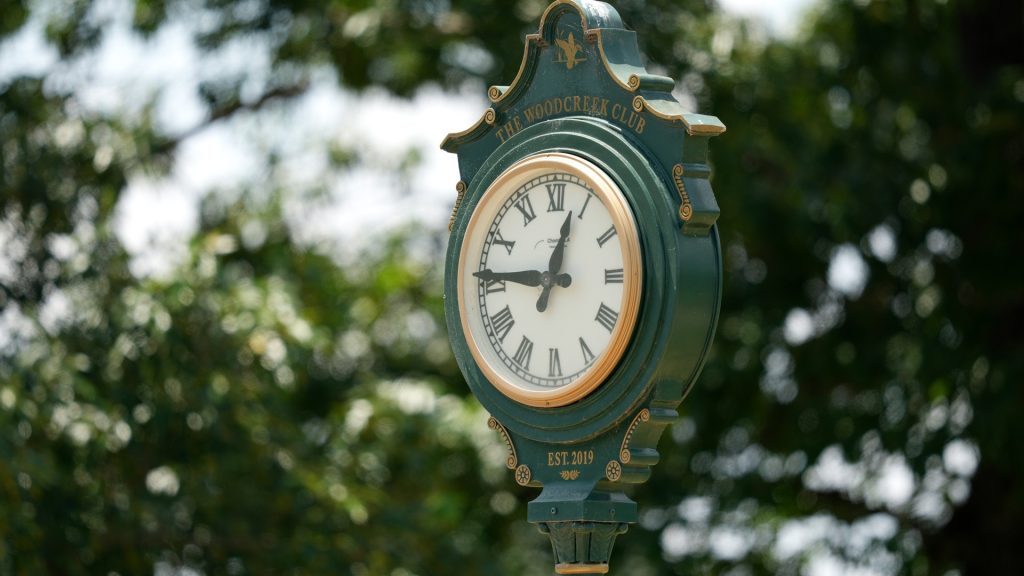
Twice a year, Americans get the same reminder: change your clocks.
Now lawmakers are making another push to end that back-and-forth ritual altogether.
The Sunshine Protection Act
House Republicans are again trying to advance the Sunshine Protection Act, according to the Washington Post, which would eliminate the twice-yearly clock change and allow states to adopt year-round daylight saving time.
The proposal is expected to be included in a broader transportation package moving through the House Energy and Commerce Committee.
Unbiased. Straight Facts.TM
Nineteen states have adopted resolutions in favor of permanent daylight saving time, but legislative approval from Congress is still needed for the transition.

Supporters argue an extra hour of evening daylight could boost economic activity and improve safety. Lawmakers backing the measure point to research showing traffic fatalities tend to increase in the days following time changes.
A debate that keeps coming back
Daylight saving time first became law in 1918 during World War I as a way to conserve fuel and energy. Congress later repealed and revived it before establishing the current framework under the Uniform Time Act of 1966.
Today, 48 states and Washington, D.C., observe daylight saving time. Only Arizona and Hawaii stay on standard time year-round.
Supporters and critics
Support for permanent daylight saving time stretches across party lines and is especially common among lawmakers from coastal states, many of whom favor more evening daylight.
“The evidence is overwhelming and compelling that it’s not good for us to be changing back and forth twice a year,” California Rep. Jay Obernolte told The Post.
Critics argue permanent daylight saving time would create much darker winter mornings, especially across parts of the Midwest and eastern U.S., where some communities could see sunrises after 9 a.m.
Sen. Tom Cotton of Arkansas has opposed changing the current system, warning during a Senate speech last year that permanent daylight saving time would make winter mornings “dark and dismal” for millions of Americans.

Some sleep experts have also argued that permanent standard time better aligns with the body’s natural circadian rhythm.
Public opinion and next steps
An AP-NORC survey of nearly 1,300 adults last October found little support for the current system. Just 12% said they wanted to keep changing clocks twice a year.
More than half of respondents, 56%, favored permanent daylight saving time, while 42% preferred permanent standard time.
President Donald Trump has repeatedly supported year-round daylight saving time and would likely sign the legislation if it reached his desk.
But the effort still faces hurdles. A similar version of the Sunshine Protection Act cleared the Senate in 2022 before stalling in the House.
Round out your reading
- They built an Epstein files library, but realized they couldn’t let everyone read them.
- The doctor who claims functional medicine reversed her MS.
- For many Americans, ‘one more round’ no longer serves their lifestyle or budget.
- Trump claimed economic data is ‘rigged.’ Former officials pledge to ‘watch like hawks’ for political manipulation.
- We’re building a new Straight Arrow. Help us shape our future by taking our survey.
Nineteen states have adopted resolutions in favor of permanent daylight saving time, but legislative approval from Congress is still needed for the transition.
Ella Rae Greene, Editor In Chief