Cuba’s Raúl Castro faces possible US charges over deadly 1996 plane attack
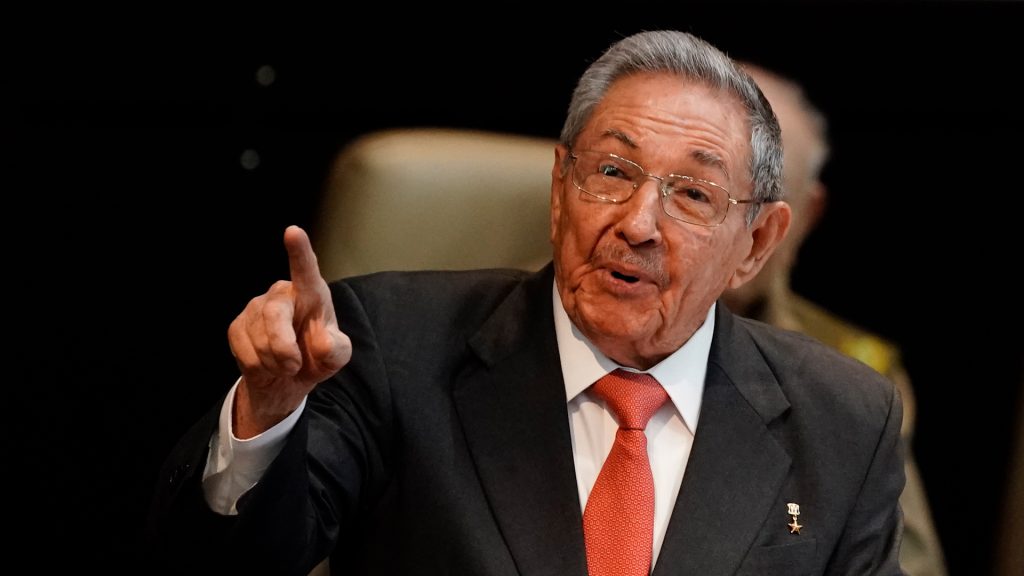
The United States is moving toward a possible indictment of former Cuban President Raúl Castro over the 1996 attack on two aircraft belonging to the group Brothers to the Rescue, according to published reports.
Any formal charges must be authorized by a grand jury and are expected to focus on the deaths of four people aboard the aircraft, CBS News reported. A Justice Department official told Reuters the timing was unclear but could be imminent.
Why this case is resurfacing now
An indictment would revive a nearly 30-year-old flashpoint in U.S.-Cuba relations at a moment when the Trump administration is increasing pressure on Havana.
Castro is 94 and is the brother of the late Fidel Castro, who led Cuba at the time of the shootdown. Raúl Castro led Cuba’s armed forces in 1996 and formally stepped down as head of the Communist Party in 2021, yet he remains a dominant and influential force within the Cuban government.

The legal push also comes as Washington is pressing Cuba on economic and security issues. Pressure on Havana intensified in January following a U.S. military operation that ousted Venezuelan leader Nicolás Maduro from power.
Trump has threatened heavy tariffs on countries supplying Cuba with oil, which has worsened the island’s energy shortages.
What happened in the 1996 shootdown?
In 1996, a Cuban MiG-29 intercepted and destroyed two unarmed civilian Cessna 337 airplanes operated by Brothers to the Rescue, a Miami-based nonprofit that patrolled the waters between Cuba and Florida in search of Cubans trying to escape their country on rafts and other primitive craft.
The attack, which occurred in international airspace, killed four volunteer pilots instantly: Armando Alejandre Jr., Carlos Alberto Costa, Mario Manuel de la Peña and Pablo Morales.

An Inter-American Commission report in the Organization of American States system later found the planes were shot down in international airspace and said Cuba used lethal force without warning or evidence that it was necessary.
Fidel Castro defended the shootdown as legitimate while Cuban officials contended the pilots trespassed into their territory to target local infrastructure with acts of sabotage.
The 1996 incident previously led to the U.S. conviction of Gerardo Hernandez on murder conspiracy charges, according to CBS. Prosecutors at the time linked Hernandez to a Cuban spy network tasked with monitoring Brothers to the Rescue. Though he received a life sentence for his role, Hernandez eventually returned to Cuba as part of a prisoner exchange in 2014.
How it fits into Trump’s Cuba pressure campaign
The possible indictment would fit within a broader U.S. effort targeting Cuban leadership.
Miami’s top federal prosecutor launched an initiative several months ago focused on Cuban Communist Party leaders. Working alongside local and federal agencies, the Treasury Department is investigating charges ranging from narcotics and violence to financial and immigration offenses.
According to Reuters, federal prosecutors in South Florida have been reviewing possible criminal cases involving high-ranking members of the Cuban government.
Contacts between the two governments have continued simultaneously. CIA Director John Ratcliffe met on Thursday with Raúl Castro’s grandson, Raúl Guillermo Rodríguez Castro, known as Raulito. A CIA official said Ratcliffe delivered Trump’s message that the United States is “prepared to seriously engage on economic and security issues, but only if Cuba makes fundamental changes.”
What would happen next?
It’s not clear what would happen if a grand jury indicted Castro. The U.S. launched a military operation in Venezuela to arrest Maduro on drug-trafficking charge. The operation led to a regime change, a goal that U.S. officials have discussed for Cuba for decades.
Sen. Rick Scott, R-Fla., and other lawmakers from the state, which has a large Cuban population, have recently called on the Justice Department to prosecute Castro and force him to answer for the charges in a U.S. courtroom.
Florida Gov. Ron DeSantis responded to the CBS News report on social media Thursday.
“Let ’er rip,” he wrote, “it’s been a long time coming!”
Round out your reading
- Are aliens real? Pentagon’s newly released UFO files suggest the truth is out there.
- A million Americans get this knee surgery every year. But does it work?
- Is the apocalypse now? One man is tracking flights by the rich to find out.
- ‘No Mow May’: A boon for the bees or a well-intended mistake?
- We’re building a new Straight Arrow. Help us shape our future by taking our survey.
Ella Rae Greene, Editor In Chief