Most wealthy nations are scared of AI, but one is really excited
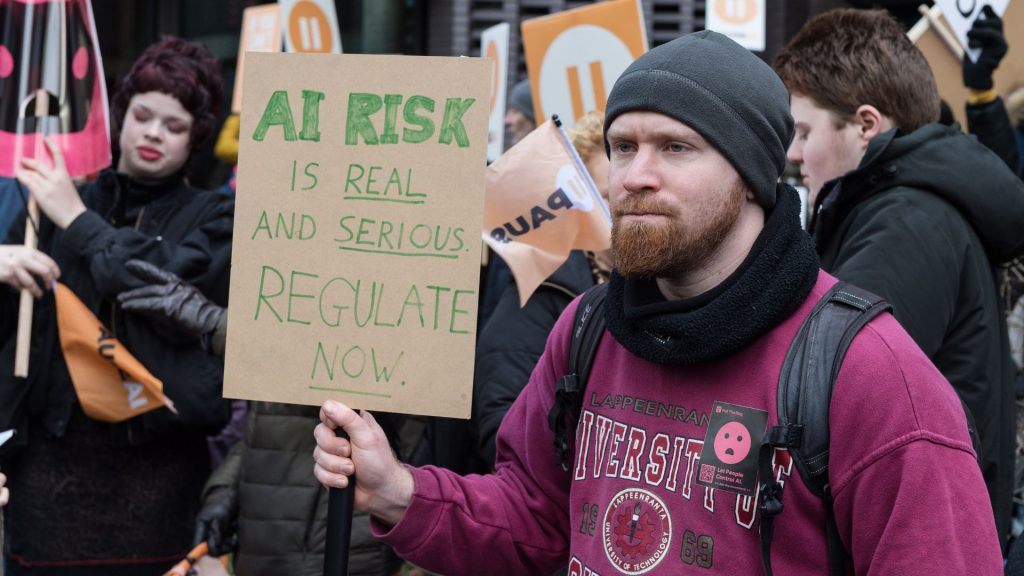
If you mention artificial intelligence to a person in the United States, chances are that person would roll their eyes or even let out a groan to show you they couldn’t care less about it. But ask someone in China, and their ears might perk up.
Sentiment toward AI varies from nation to nation, with studies finding that people in wealthier countries are much less optimistic about the technology than those in developing nations. For example, when asked in an Ipsos poll if they believed AI has more benefits than drawbacks, only 39% of Americans agreed. When they asked people from Mexico the same question, 70% agreed.
Global divisions over AI
The connection between a nation’s wealth and its people’s sentiment on AI goes beyond North America. In that Ipsos poll, China had the most optimistic response, with 83% of people agreeing that the benefits outweighed the drawbacks. The Netherlands had the least optimistic response at 36%.
The pattern isn’t new or a one-time find — it has shown up in multiple polls as early as 2022.
Globally, people are more pessimistic about AI. According to a Pew Research study of 25 countries, a median of 34% of adults were more concerned than excited about the technology. Only about 16% said they were more excited.
Why are developing nations more optimistic than wealthy ones?
The most used explanation for the disparity is the “leapfrog” theory. Experts say that AI allows a developing country to skip stages in infrastructure development that wealthy countries had to advance through.
In a 2024 post from The World Bank Group, analysts wrote that AI could transform healthcare, agriculture and financial access in countries where those systems function poorly or aren’t well established.
Analysts at the Center for Global Development said AI could enable workers in poor countries to access skills and tools they previously couldn’t, helping them compete in the global market from which they were previously locked out.
In an AI report from 2024, Google laid out real-world examples of how developing countries use its AI to address issues. One example was how Brazil used the technology to help optimize traffic in Rio de Janeiro. Google also said African farmers have used its AI tools for early detection of desert locust outbreaks.
But as people in developing countries get excited about what services or infrastructure AI may provide for their countries, those in wealthier nations are worried about which jobs and industries the technology may eliminate.
In the U.S., 30% of people worry that AI will make their jobs obsolete. The thought of a jobless economy is so prevalent that even Tesla CEO Elon Musk has suggested a universal high-income program.
While tech CEOs swear up and down that their AI will benefit everyone and usher in an age of abundance, more people believe the only ones who will benefit are the tech CEOs themselves.
“I think there will be immense new wealth created by these technologies, said Yuval Noah Harari, a historian and philosopher who specializes in human history and technology. “I’m less sure that the governments will be able to redistribute this wealth in a fair way on a global level.”
Outlier groups
But some wealthy nations, like South Korea, don’t follow the trend and love the idea of AI.
Experts believe that, because of the country’s history and its reliance on technology in the economy, people are more optimistic about new technology. South Korea is also a global leader in semiconductor technology, without which AI technology would not exist. Some analysts believe that a sense of pride also bolsters positive feelings toward AI among South Koreans.
AI adoption rates in South Korea dwarf those of other developed countries. In the U.S., only about a quarter of people use AI at work every week. In South Korea, more than half of workers use the technology, according to The Korea Herald. Analysts believe that when workers regularly see the technology working, skepticism tends to fall.
The rest of the developed world hasn’t had as much time with the technology yet. Until it does, skepticism is likely to persist closest to where AI is built. While AI firms strive to promote the value of their technology, it appears they face the greatest challenge in earning the trust of those in their own backyard.
Round out your reading
- First, it was the schools. Now they’re coming for your cellphone at work.
- Why one of America’s top economic forecasters is worried about a recession.
- AI companies may not be adhering to their own guidelines — with potentially deadly outcomes.
- Data centers are a thorny issue for Democrats. Maine shows us why.
- We’re building a new Straight Arrow. Help us shape our future by taking our survey.
Ella Rae Greene, Editor In Chief