Why Americans are having fewer babies — and why it matters
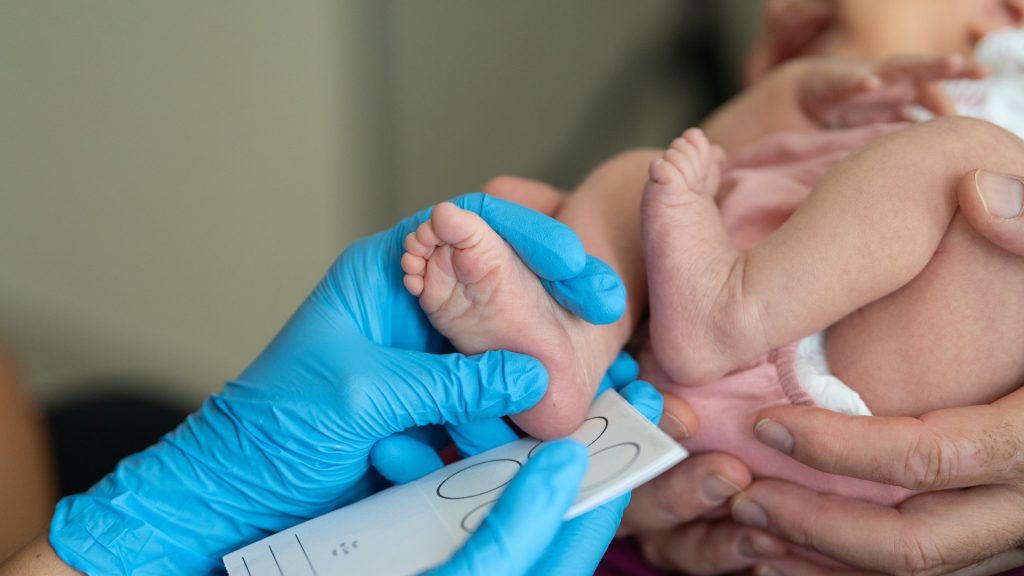
U.S. fertility and birth rates continue to decline, with roughly 710,000 fewer births in 2025 than at the nation’s peak in 2007, according to new data from the Centers for Disease Control and Prevention.
Many factors played a role in the decline: finances, timing and falling teen pregnancy rates, among others. At the end of the day, however, the effect on the economy is the same.
The CDC’s latest data showed the number of live births per 1,000 women aged 15 to 44, also known as the fertility rate, dropped from 53.8 in 2024 to 53.1 in 2025. The fertility rate has dropped by 23% since 2007.
With the consistent declines, researchers have begun digging into what may be causing fewer women ages 15-44 to have babies. The results, however, are varied and inconclusive.
What we do know is this: there are several factors.
“Greater and more demanding job market opportunities, expanded leisure options, increased intensity of parenting … make the option to have children less desirable,” Phillip Levine, an economics professor at Wellesley College, told Reuters.
Women are waiting longer to have kids
One significant factor the CDC found is that fewer teenagers are getting pregnant in the U.S. In 2025, the fertility rate for Americans between 15 and 19 declined by 7% from the previous year.
According to The New York Times, the rate for teenagers is down 72% since 2007, and down 81% since 1991, when teenage fertility rates were at their highest.
In addition to a drop in teen pregnancies, demographers also saw fewer women in their 20s having kids. This leads to what is likely the leading hypothesis for why birth and fertility rates have dropped.
Demographers suggest that women are pursuing job opportunities, waiting for economic stability, and just enjoying their 20s before settling down to have kids.
The data from the CDC backs this hypothesis, with the number of women in their 30s and 40s having babies rising by about 3% in 2025.
Finances play a significant role
One major reason to wait: finances. Having a baby is not cheap. The delivery alone can cost between $18,865 and $30,000 for prenatal care, delivery and postpartum care. After insurance, couples typically can expect to pay $2,000 to $3,000 out of pocket.
Then tack on everything parents need to raise a child for the next 18 years, and the numbers add up.
Northwestern Mutual estimates raising a child to 18 could cost upwards of $320,000.
The insurer says about 16% of the total is for childcare costs, which in some instances run higher than a mortgage.
As Straight Arrow News previously reported, a survey of more than 2,000 moms by BabyCenter found that 14% of families spend more on child care than housing.
With these climbing childcare costs, economists and other experts say the financial pressure will continue to reshape family formation across the nation.
Men also play a role
Because childcare costs are rising, many couples find it easier for one person to stay home and watch the children. Historically, that person has been the mother.
Recent shifts, however, have led more women to pursue careers, passions and projects outside the home. So, if couples still want to have kids, it may be up to the father to stay home and care for them.
“Much of the change in fertility will depend on if men assume more work in the home as women are drawn into the market,” said Harvard professor Claudia Goldin. “If they don’t, women will be forced to cut back on something.”
She added, “Girls suddenly see that their options have changed. They can get an education. They can go out and work.”
But for women to work, men have to step in at home. If they don’t, birth rates could continue to fall.
Birth rates and their effect on the economy
Birth and fertility rates are among the many factors that influence a country’s economic and demographic health. When birth rates take a drastic turn, the impact can be significant.
Demographic health, as a whole, is a balancing act. A shrinking population can strain the workforce and tax system, affecting aging populations.
With seemingly fewer babies being born, there will be fewer workers in the decades to come, resulting in labor shortages and less innovation. Plus, fewer people paying taxes means shrinking funds for Social Security, Medicare and other tax-funded programs for elderly Americans.
The longer birth rates stay low, the greater the potential impact on the economy. School enrollments could shrink, rural hospitals could eventually close maternity wards, and, later, retirement systems could absorb pressure due to lower tax revenue.
It all comes full circle, however. The economy plays a role in whether people have babies, but birth rates also significantly affect the economy. When one does well, so does the other.
Ella Rae Greene, Editor In Chief