Iran closes Strait of Hormuz after Israel launches attacks inside Lebanon
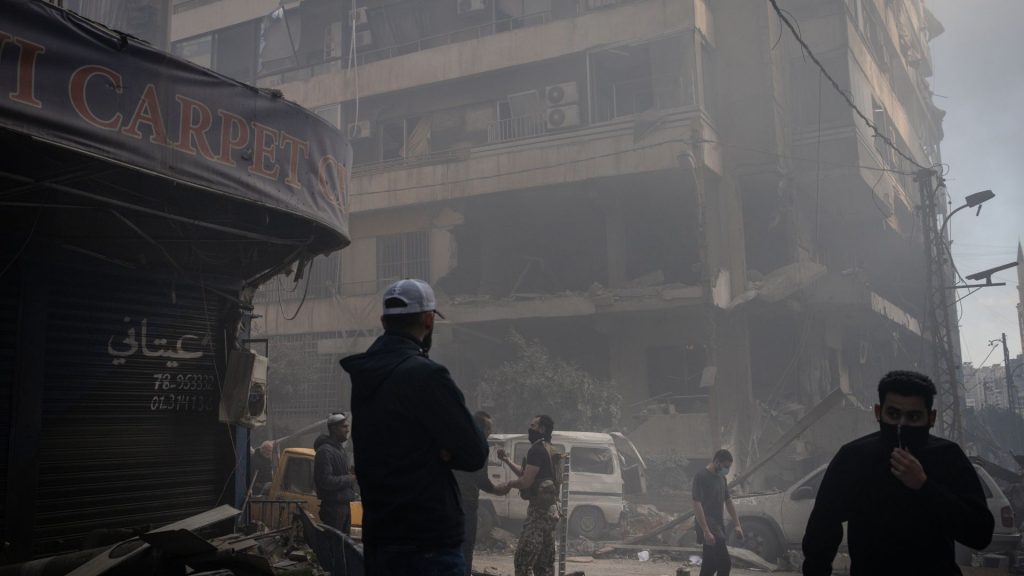
The Iranian government announced Wednesday morning the Strait of Hormuz was again closed, not even a day after the nation accepted a ceasefire with the U.S. and Israel. Iran said Israel’s continued attacks in Lebanon violated the agreement.
Iranian media agency Fars reported that the government allowed two tankers to leave the Strait “after obtaining permission from Iran,” NBC News reported. However, further passages were halted because of Israel’s strikes inside Lebanon. The Israeli Defense Forces said Wednesday’s attacks were some of the heaviest leveled against the country’s northern neighbor.
Israeli and U.S. officials said the ceasefire does not apply to Israel’s attacks in Lebanon, which they said are meant to target the militant group Hezbollah. However, this contradicts Pakistani Minister Shehbaz Sharif, who was a key mediator in the agreement, and the plan reported on by Iranian state media.
Iran responds
Iran Foreign Minister Abbas Aragchi said the ceasefire was “clear and explicit,” pointing directly to Lebanon in a post on X.
“The Iran–U.S. Ceasefire terms are clear and explicit: the U.S. must choose—ceasefire or continued war via Israel. It cannot have both,” he wrote. “The world sees the massacres in Lebanon. The ball is in the U.S. court, and the world is watching whether it will act on its commitments.”
The Iranian Islamic Revolutionary Guard Corps has warned it will retaliate if Israel’s strikes continue in Lebanon. Hezbollah has also said it reserved its “natural and legal right to resist occupation and respond to its attacks,” according to The Associated Press. The militant group has not claimed any attacks on Israel since the ceasefire began.
Has the White House responded?
During a press conference following the reclosure, White House press secretary Karoline Leavitt demanded Iran reopen the Strait. She also said that Vice President JD Vance would lead the negotiations, which are expected to continue on Friday in Pakistan.
“Vice President Vance has played a very significant and a key role in this since the very beginning,” Leavitt said, the AP reports. “Of course, he’s the president’s right-hand man. He is the vice president of the United States. He’s been involved in all of these discussions.”
This is a developing story, and more information will be added as it becomes available.
Ella Rae Greene, Editor In Chief