These adorable animals were just added to the endangered species list
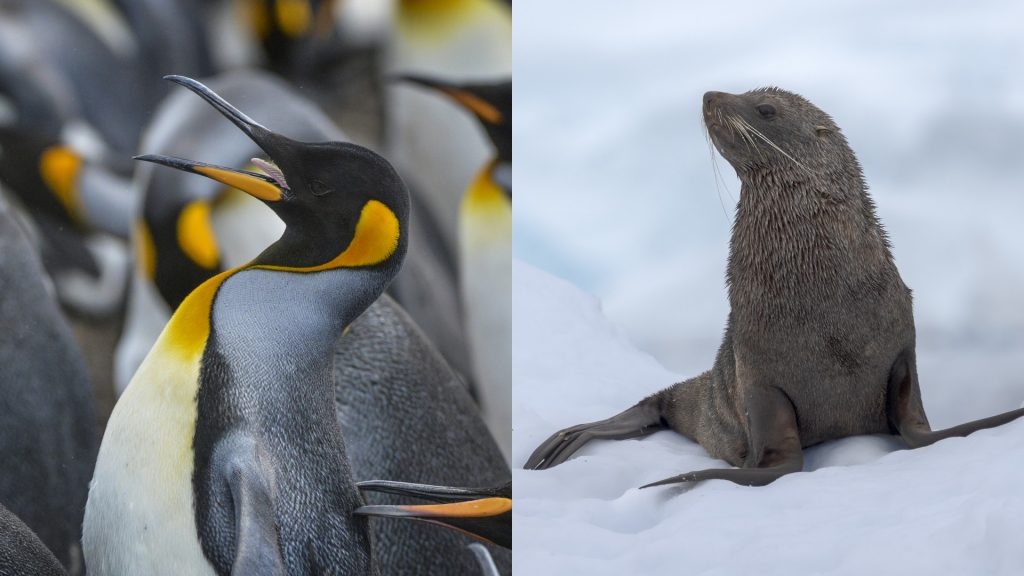
The endangered species list now includes two new — and, frankly, adorable — species, and the International Union for Conservation of Nature (IUCN) says climate change is at fault.
The IUCN updated its Red List of Threatened Species on Thursday, and moved the emperor penguin and Antarctic fur seal to its endangered category.
The Red List has nine categories of risk: Not Evaluated, Data Deficient, Least Concern, Near Threatened, Vulnerable, Endangered, Critically Endangered, Extinct in the Wild and Extinct.
The penguins went from near threatened to endangered, while the seals went from least concern to endangered.
“The declines of the emperor penguin and Antarctic fur seal on the IUCN Red List are a wake-up call on the realities of climate change,” IUCN Director General Grethel Aguilar said in a press release. “These important findings should spur us into action across all sectors and levels of society to decisively address climate change.”
Emperor penguin threatened by warming temperatures
Researchers told ABC News that changing ice conditions are affecting food availability for the penguins, impacting the already depleting population. Climate change is reducing sea ice, altering the entire ecosystem in Antarctica.
According to the IUCN, emperor penguins require sea ice that is “fastened” to the coastline, ocean floor or grounded icebergs as a habitat for their chicks and during molting season. Warming temperatures, however, are causing this ice to break apart and move farther offshore, which can be deadly for the little creatures.


The trajectory of the species’ survival is trending downward, a member of the IUCN’s Penguin Specialist Group, Phillip Trathan, told ABC News. He noted the penguins’ molting process is also affected, diminishing foraging opportunities.
In a news release, the IUCN said diminishing conditions in Antarctica due to climate change will likely result in the penguin population halving by the 2080s. From just 2009 to 2018, the penguin population declined by about 10%, or 20,000 penguins.
“Penguins are already among the most threatened birds on Earth,” said BirdLife International CEO Martin Harper. “The emperor penguin’s move to Endangered is a stark warning: climate change is accelerating the extinction crisis before our eyes.”
Antarctic fur seal population drops 50% since 1999
Conditions in Antarctica are just as poor for the fur seal, whose population has decreased by more than 50% since 1999.
The IUCN blames rising ocean temperatures for the decline. They say shrinking sea ice and the warmer temperatures are pushing krill further out and into colder water. The move is reducing food availability for the seals.
In South Georgia, specifically, the IUCN says the survival rate for seal pups in their first year has declined rapidly due to the warmer temperatures.


Climate change poses a threat for many animals
Specialists say the changing conditions could negatively impact all types of seals and other ice-dependent species.
“These assessments sound an alarm for all Antarctic seals, as we are concerned about how environmental changes are affecting all ice-dependent species,” said Kit Kovacs, co-chair of the IUCN SSC Pinniped Specialist Group. “Monitoring of the effects of climate change in Antarctica is urgently needed.”
Kathleen Flower, vice president of biodiversity science at Conservation International, said the seal and penguins’ decline just shows how quickly ecosystems are degrading and “how the compounding impacts of warming accelerate food scarcity, emerging disease, and habitat loss.”
“The result is rapidly increasing extinction risk for many species,” Flower said.
Ella Rae Greene, Editor In Chief