Chemical in plastics linked to tens of thousands of newborn deaths
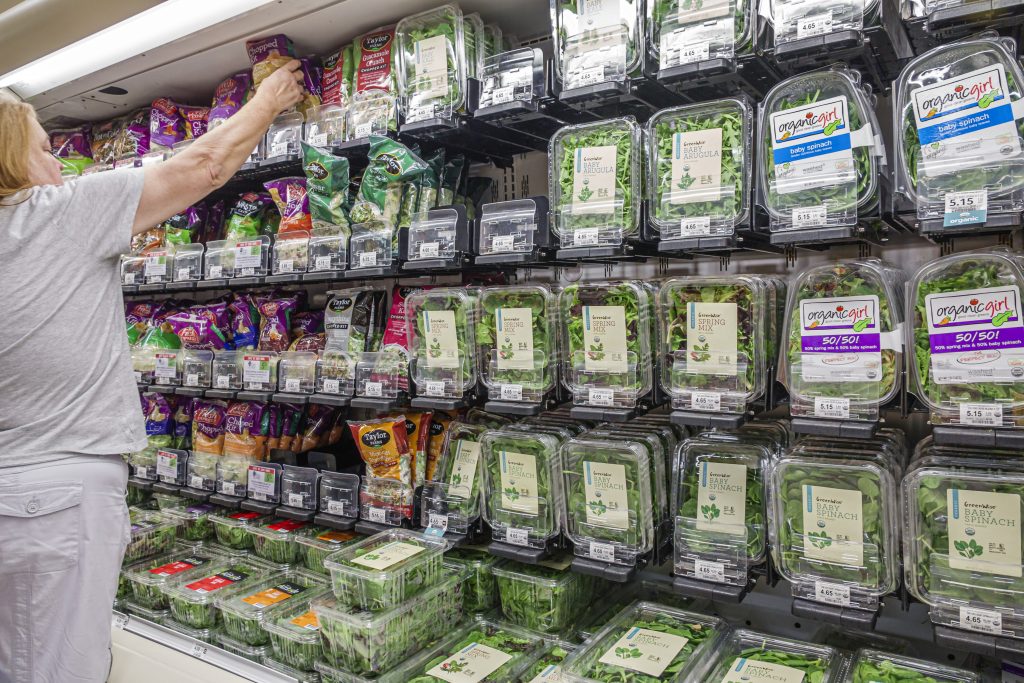
Exposure to a chemical commonly used in plastic was linked to nearly 2 million preterm births and more than 70,000 newborn deaths worldwide in 2018, according to a study published Tuesday.
Researchers from New York University analyzed data from 203 countries and territories to estimate the health impact of di-2-ethylhexylphthalate, or DEHP, a compound that makes plastics more flexible and is found in everything from medical devices and food packaging to cosmetics and household detergents.
Although the findings are based on mathematical modeling — which uses real-world data to estimate likely effects rather than measure them directly — they build on a growing body of research indicating that DEHP and related chemicals are endocrine disruptors — substances that interfere with or sometimes mimic the body’s hormones, disrupting systems that regulate metabolism, reproduction and development.
Scientists have linked these compounds to a wide range of health effects, including infertility, obesity and diabetes, neurodevelopmental delays and certain types of cancer. DEHP disrupts hormones critical to fetal development and may also increase inflammation and interfere with placental function. These mechanisms may explain its link to preterm birth.
What is DEHP?
DEHP, first developed in the 1930s, is now so widely used that it is considered nearly ubiquitous in modern environments.
People inhale DEHP-contaminated dust and ingest it when it leaches into food from plastic packaging. Studies have detected the chemical in urine, blood, amniotic fluid and umbilical cord samples, indicating routine exposure, including during pregnancy.
Some governments have taken steps to limit its use. In 2008, the U.S. banned DEHP in toys and some childcare products; several states have also restricted it in certain medical devices. The European Union has gone further, banning DEHP in many consumer products at concentrations higher than 0.1%.
In 2022, several health and consumer advocacy groups petitioned the Food and Drug Administration to ban DEHP and similar chemicals from food packaging. The agency denied the requests, though it revoked approvals for some compounds, saying the move was driven by their declining use, not safety risks.
In the study published Tuesday, researchers also reported that another chemical, diisononyl phthalate (DINP), which is commonly used to replace DEHP, was also linked to 1.88 million pre-term births and 64,000 deaths globally in 2018.
The impact of DEHP and DINP exposure was unevenly distributed worldwide. Over half of the preterm births occurred in the Middle East and South Asia, another quarter were in Africa. Canada and Australia had the smallest burden, with only 1,480 and 2,190 pre-term births, respectively.
Researchers attributed 35,600 pre-term births to DEHP exposure in the U.S.
Ella Rae Greene, Editor In Chief