Americans have spent $8 billion more on gas since start of Iran war: GasBuddy
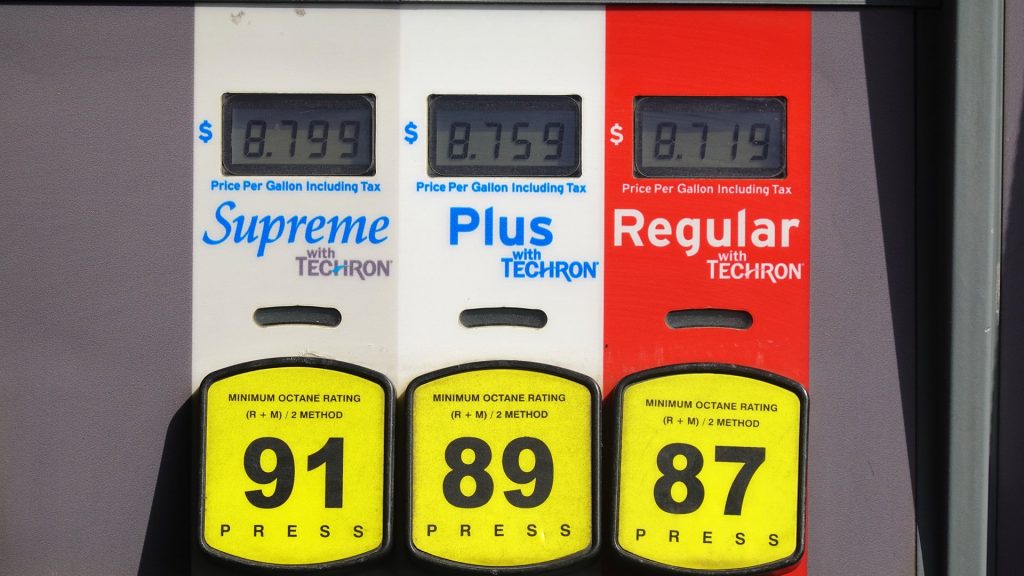
As national gas prices approach $4 per gallon, individual consumers are feeling the squeeze at the pump. And collectively, Americans have spent an extra $8 billion on gasoline since the war broke out in Iran, according to calculations from GasBuddy.
In addition to the direct burden on consumers and businesses, the increased spending on gasoline will have a ripple effect across the economy, said Patrick De Haan, head of petroleum analysis at GasBuddy, an app that tracks prices at more than 150,000 U.S. gas stations.
“That $8 billion just doesn’t come out of thin air,” De Haan told Straight Arrow News. “It likely means that Americans are spending less in some areas of the economy.”
Gas prices are not yet high enough to alter decision-making around biking or taking mass transit, De Haan said. Many Americans feel they have no choice but to absorb the higher cost of gasoline into their budgets. And for families and individuals without much wiggle room to spend more, they have to spend less on food, groceries or leisure.
What’s behind the $8 billion figure?
The math behind De Haan’s calculation is simple: Using Feb. 28 as a baseline, he calculated the daily price increases over the past month, which he multiplied by 370 million gallons — the average daily consumption rate here in the U.S.
The war in Iran has lasted more than a month, sending a supply shock across the global energy market. Iran’s de facto blockade of the Strait of Hormuz has prevented about 10 million barrels of oil produced by Gulf states like Iraq, Kuwait and Saudi Arabia from reaching global markets. With diminished supply and increased uncertainty, the price of oil has soared. That pushes up U.S. gasoline prices regardless of how much oil America produces.
Seasonal factors like routine refinery maintenance, increased travel and a switch in gasoline blends also tend to increase prices each spring. However, De Haan said his calculation factored this in by subtracting $300 million from his initial total. The remaining $8 billion can be attributed to the economic fallout in global oil markets, De Haan said.
What are the economic effects?
De Haan said he expects high gas and diesel prices to “slow the U.S. economy down significantly.”
Diesel prices, which are over $1.60 higher than a month ago, are expected to drive higher prices across other aspects of the economy, due to higher shipping costs.
“That will have a ripple effect,” De Haan told SAN.
“Grocery costs don’t necessarily go up overnight,” De Haan said. Still, he noted, consumer behavior is already changing. Fewer Americans are going to spend time at retail stores or going out to eat. And beyond having less money in their wallet because they’re spending more on gas, the cost of goods will rise.
That, he said, is a “double whammy.”
Ella Rae Greene, Editor In Chief