In major copyright case, Supreme Court says internet provider not liable for music piracy
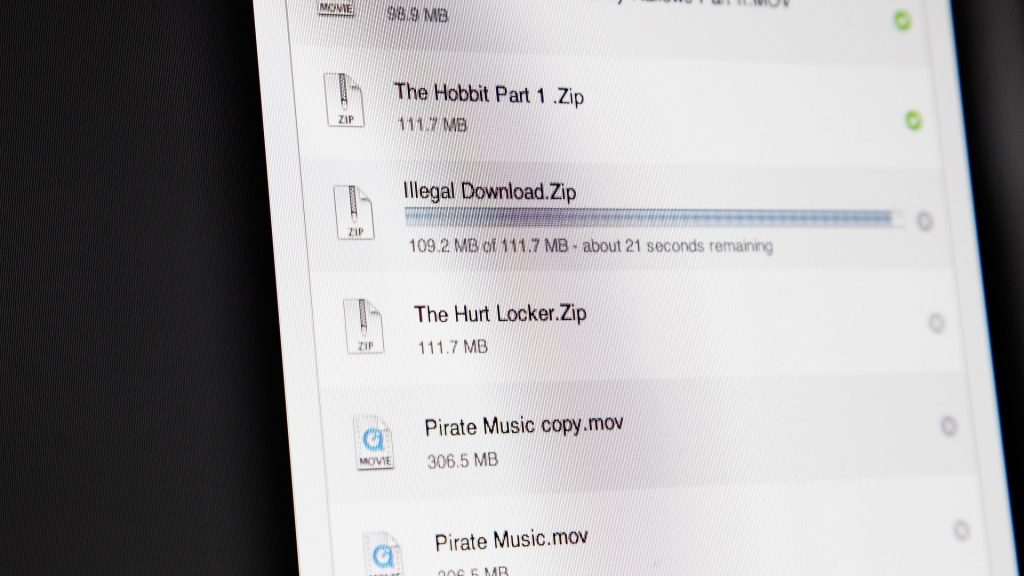
The Supreme Court ruled unanimously on Wednesday that a major internet service provider could not be held liable for copyright infringement when its customers pirated thousands of songs online.
The court reversed a billion-dollar verdict against Atlanta-based Cox Communications, after lower courts found that the company knowingly allowed its users to redistribute downloaded music despite repeated warnings they were breaking the law. Music labels and publishers had tried to hold Cox responsible for its customers’ illegal activities.
“Under our precedents, a company is not liable as a copyright infringer for merely providing a service to the general public with knowledge that it will be used by some to infringe copyrights,” Judge Clarence Thomas wrote for the court.
Thomas added that an internet provider like Cox could be held liable “only if it intended that the provided service be used for infringement.”
The stakes of this case extended well beyond piracy in the music business. The opinion has broader implications for the liability of service providers for content distributed on their platforms, the rights of copyright holders, restrictions on internet access and free speech.
First Amendment advocates had asked the court to side with Cox, warning of a chilling effect if internet companies were accountable for the actions of their customers.
Sony Music, which initiated the case, did not respond to a request for comment. In a statement to Straight Arrow News, the Recording Industry Association of America said the court’s ruling did not sanction music piracy but only prevented internet companies from facing accountability.
“We are disappointed in the Court’s decision vacating a jury’s determination that Cox Communications contributed to mass scale copyright infringement, based on overwhelming evidence that the company knowingly facilitated theft,” the association said. “To be effective, copyright law must protect creators and markets from harmful infringement and policymakers should look closely at the impact of this ruling.”
Cox praised the ruling, saying it would preserve open internet access and protect the privacy of users.
“This opinion affirms that Internet service providers are not copyright police and should not be held liable for the actions of their customers — and after years of battling in the trial and appellate courts, we have definitively shut down the music industry’s aspirations of mass evictions from the internet,” Todd Smith, assistant vice president of public relations at Cox, told SAN in a statement.
The copyright clash case
Sony Music and 50 other labels sued Cox Communications in 2018, accusing it of being complicit with its users who pirated content. Cox failed to cut off internet service for its subscribers who were flagged for illegally downloading copyrighted music.
A jury found that Cox had willfully infringed on Sony’s copyrights and awarded $1 billion in damages. The 4th U.S. Circuit Court of Appeals upheld the verdict.
When the case reached the Supreme Court, the justices had to balance two ideas: protecting copyrights and not overburdening internet service providers. Just how far does liability extend for internet service providers who are aware content is being pirated?
During oral arguments in December, justices suggested the verdict against Cox would require mass service cancellations at institutions such as hospitals and universities where individual users might have illegally pirated content, The New York Times reported.
Impact on AI?
Wednesday’s opinion could also affect artificial intelligence companies, which have faced legal challenges over alleged piracy.
The holding in the Cox case that a company isn’t liable for what users do unless it’s actively helping them accomplish the illegal activity could also be applied to AI firms, which have come under fire for feeding large blocks of copyrighted material into large language models to train chatbots.
If the court had ruled against Cox, however, it could have exposed AI companies to additional liability.
Ella Rae Greene, Editor In Chief