Voter ID or voter purge? What the SAVE America Act actually does
We’re taking your comments and questions straight from YouTube and putting them to the test in this week’s Straight From You — where we sort fact from speculation and add context that viewers often miss.
This week’s focus: Is the SAVE America Act just a voter ID bill, or does it go further?
You said:


The question:
Is the SAVE America Act mainly a voter ID bill, or does it go further?
SAN answer:
The short answer: It goes further.
The bill would create a federal photo ID requirement for voting in federal elections. It would also require documentary proof of U.S. citizenship to register and would require states to submit their complete federal voter rolls against federal immigration data.
What the bill would require to vote
On its face, yes — this is a voter ID bill.
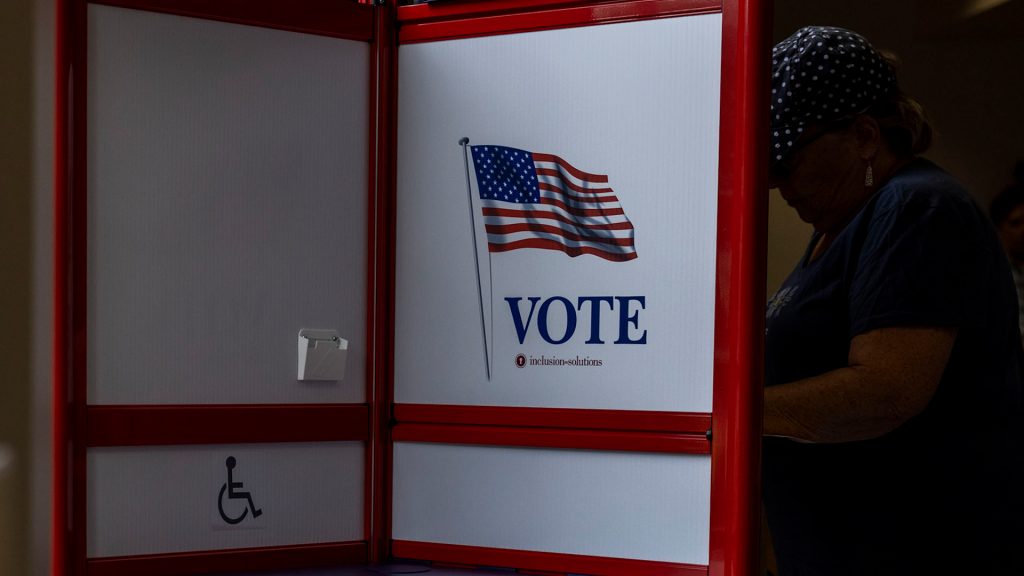
For in-person voting in federal elections, voters would need to present a valid physical photo ID.
Acceptable forms include:
- State-issued license or ID with photo and expiration
- U.S. passport
- Military ID
- Tribal ID with photo and expiration
No ID at the polls? You could still cast a provisional ballot — but you’d have three days to show valid ID or sign a religious objection affidavit. For voting outside a polling place, the bill generally requires a copy of a valid photo ID. There is also an alternative: the last four digits of a Social Security number plus an affidavit stating the voter could not obtain ID despite reasonable efforts.
Why critics say it goes beyond voter ID
The bigger change isn’t at the ballot box — it’s at registration.
The bill would bar states from processing voter registration applications for federal elections unless the applicant provides documentary proof of U.S. citizenship — such as a passport or a qualifying combination of government records. The bill still allows someone to submit a registration form by mail. But that person would not be fully registered for federal elections unless he or she later shows proof of citizenship in person by the deadline.
And this wouldn’t just affect new voters.
Anyone updating registration — after moving or changing a name — could be required to provide that same proof.
The bill includes a process for name discrepancies, but voters whose birth certificate or other citizenship documents don’t match their current legal name may need extra paperwork or affidavits to complete registration.
That’s the key shift: this isn’t just about showing ID when you vote. It changes what’s required to get on — and stay on — the voter rolls.
Does it require voter-roll reviews?
Yes, in part — but not in the exact way some suggest.
The bill would require states, within 30 days of enactment, to begin ongoing efforts to ensure only U.S. citizens are registered to vote in federal elections.
That includes:
- Submitting voter rolls to the Department of Homeland Security for comparison through the SAVE system, or using an existing DHS agreement
- Taking steps to remove noncitizens, with notice and an opportunity to provide proof of citizenship
What it does not do: set a fixed deadline to review every current voter.
How common is noncitizen voting?
This is where the debate splits.
Supporters argue the bill protects election integrity.
Opponents say it creates barriers for eligible voters.
The Bipartisan Policy Center says noncitizen voting is already illegal — and rare. FactCheck.org says the same.
The Associated Press reports that proof-of-citizenship requirements can create hurdles for eligible voters who don’t have the needed documents readily available. In Kansas, a similar law was blocked after more than 30,000 eligible citizens were prevented from registering.
Bottom line
The SAVE America Act is not just a voter ID bill.
It would:
- Require photo ID to vote in federal elections
- Require documentary proof of citizenship to register
- Require states to begin ongoing citizenship checks of voter rolls
And the fight over it is still unfolding in the Senate, where lawmakers are working through amendments over the weekend.
Keep dropping comments, asking questions and SAN will tackle the biggest ones on Straight From You.
Ella Rae Greene, Editor In Chief