Latest probe of Arizona’s 2020 voting lacks key evidence — the ballots
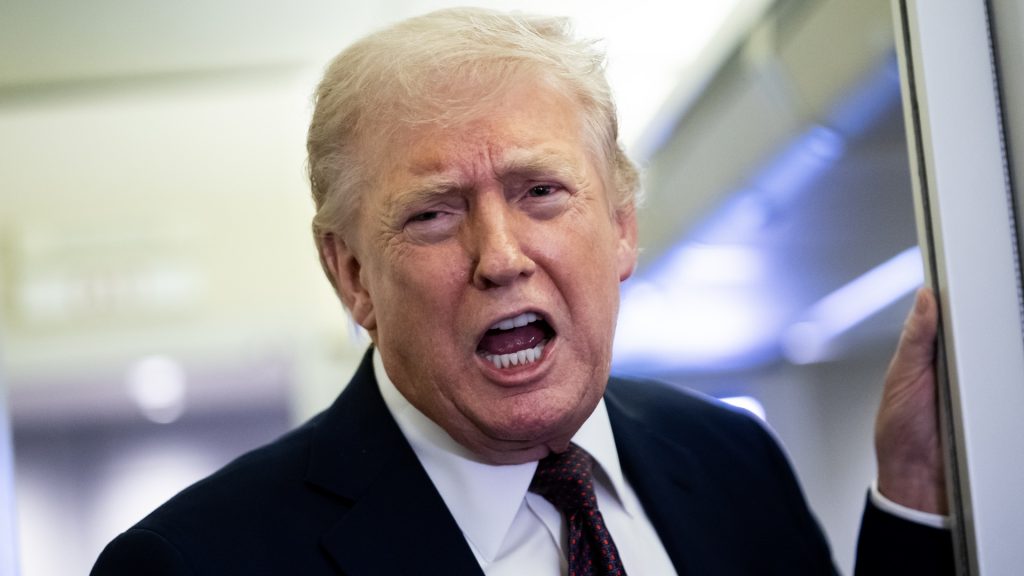
Federal authorities have opened a criminal investigation into President Donald Trump’s claims — repeatedly proven false — that he actually won Arizona in the 2020 election.
But they won’t have access to key evidence: the 3.3 million ballots that Arizona voters cast that year.
The state destroyed the paper ballots several years ago, a routine action following every election.
The Arizona investigation comes weeks after the FBI raided the election office in Fulton County, Georgia, seizing ballots, tabulator tapes, digital ballot images and voter rolls. The county, which includes most of Atlanta, has sued to get the materials back, claiming the FBI left out key facts and relied on old, already-debunked claims to get a search warrant.
In both Arizona and Georgia, Trump lost to Joe Biden by just a few thousand votes out of millions cast. He has alleged fraud occurred in both states, but investigations have refuted his claims.
Ballots destroyed
Arizona law requires counties to hold onto ballots from federal elections no more than 24 months. The election was held almost 5 ½ years ago.
Despite that, the Trump administration continues to investigate the election results in Maricopa County, the home of Phoenix.
Earlier this month, the FBI obtained records from the Arizona Senate, including ballot images, vote tallies and other digital records from a 2021 audit of the 2020 election.
Experts say those materials can provide insight into how the election was conducted even without the physical ballots. It also means the investigation will likely focus more on who voted instead of how they voted.
Trump has continued to push falsehoods about voting by noncitizens.
Trump’s allies funded the 2021 audit, and Republicans oversaw it. Nevertheless, it reaffirmed Biden’s victory.
The effort was flawed, according to members of both parties and nonpartisan outside observers.
“Accessing invalid data will only draw inaccurate conclusions and risk further degradation of public confidence,” Ryan Macias, a national elections technology consultant who observed the audit on behalf of the Arizona secretary of state’s office, told ProPublica.
Data concerns
Some of Arizona’s top election officials have raised concerns about how federal authorities might use election data as part of the probe.
Arizona Attorney General Kris Mayes and Secretary of State Adrian Fontes warned county officials not to provide unredacted voter registration files to federal agencies. They argued that doing so could violate state and federal privacy laws.
The officials cautioned that the files include sensitive personal information such as full birthdates, Social Security numbers and driver’s license data.
“Our offices are committed to upholding the sanctity of Arizona’s elections and democratic process,” Mayes and Fontes wrote in a joint letter to county recorders urging them to decline any requests they believe are unlawful.
They went on to say releasing records without proper legal safeguards could violate privacy laws and potentially expose voters’ personal information.
Democratic response
Democratic leaders in Arizona have been extremely critical of the investigation, arguing that it is reviving debunked election claims.
Arizona Gov. Katie Hobbs said previous lawsuits, reviews and the Senate audit itself confirmed that the state’s 2020 election was secure. In a statement responding to the subpoena, she said Arizonans are “tired of election conspiracies and lies that undermine our democracy.”
Mayes called the investigations a “weaponization of federal law enforcement in service of crackpots and lies.”
Critics of the investigation have also pointed out that the election has already been examined repeatedly by state and federal officials with no evidence of widespread fraud.
Ella Rae Greene, Editor In Chief