Your sleep tracker isn’t judging you — but it’s not diagnosing you either
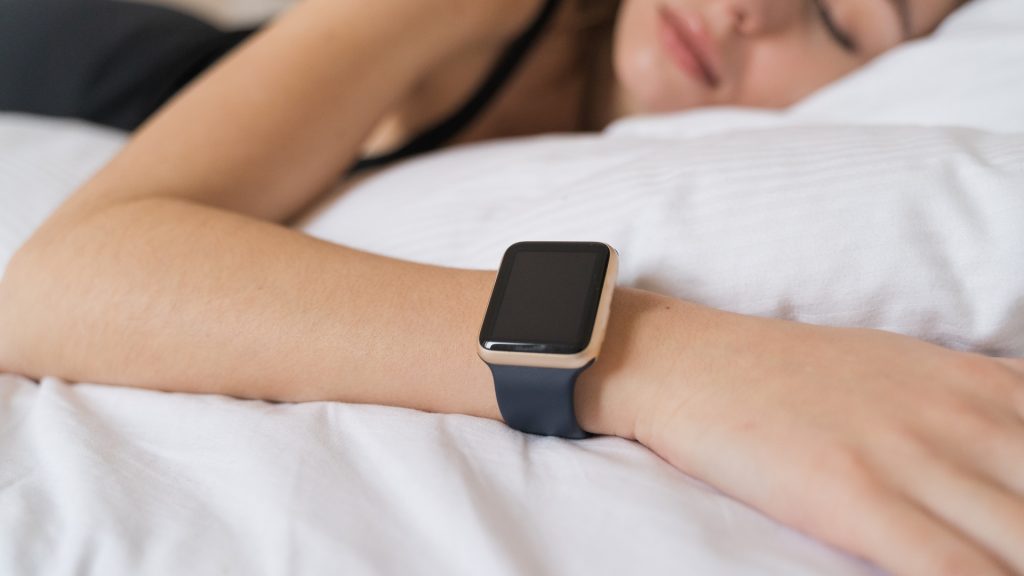
That wearable sleep tracker you got for Christmas has shared a lot of data over the past month. However, with all of that information, is it making you lose sleep?
Most wearable sleep trackers — including devices such as Apple Watch, Garmin and Ring — rely on accelerometers that measure movement to estimate when a person is asleep or awake, said Dr. Robert Tilley, a physician specializing in sleep medicine with Mercy Health. The devices also estimate sleep stages, such as light, deep and REM sleep, but those figures are approximations.
“They’re giving you more of a general idea, not a definitive measurement,” Tilley said. “In a sleep lab, we use EEGs to monitor brain waves. Wearables can’t do that.”
Tilley told Straight Arrow News trackers are generally more reliable at identifying sleep and wake times than specific sleep stages, which should be taken “with a grain of salt.” He cautioned against interpreting sleep scores as medical findings.
Some devices also estimate overnight oxygen levels, which can be helpful but are not always accurate, particularly if the wearer moves frequently. Studies have also shown oxygen readings may be less reliable for people with darker skin pigmentation.
“If someone is consistently seeing low oxygen values, that’s something they should discuss with a physician,” Tilley said.
Sleep trackers can also reveal trends, such as chronically short sleep duration, which may warrant attention. But Tilley said he is increasingly seeing patients become anxious or obsessive about their sleep data — a phenomenon sometimes referred to as “orthosomnia.”
“People are losing sleep over their sleep trackers,” he said. “If the data is making you anxious at bedtime, it’s doing more harm than good.”
Rather than focusing on nightly scores or comparing results with friends, Tilley said users should pay closer attention to sleep consistency. Going to bed and waking up at the same time each day is one of the most effective ways to improve sleep quality and regulate the body’s circadian rhythm.
“Consistency is huge,” he said. “Irregular schedules — waking up at 5 a.m. one day and 8 a.m. the next — can really disrupt sleep.”
While doctors generally recommend seven to eight hours of sleep for most adults, Tilley emphasized that individual needs vary. Comparing sleep duration or scores with others can be misleading.
In clinical visits, Tilley said patients often bring in data from their wearables, but he prioritizes symptoms and sleep habits over algorithm-based scores.
“I focus on how restorative their sleep feels and how consistent their schedule is,” he said.
Some newer devices, including Apple Watch and Samsung Galaxy Watch, offer FDA-approved screening tools for sleep apnea. These features analyze sleep data over multiple nights or weeks to identify potential risk, though they are not diagnostic.
“They’re meant to flag people who should seek further testing,” Tilley said. “That’s different from basic motion-based trackers.”
Ultimately, Tilley said the biggest benefit of sleep trackers is increased awareness of habits — not precise measurements of sleep stages.
“The takeaway should be about routine,” he said. “If the device helps you build a consistent schedule and put the phone down at night, then it’s doing its job.”
The post Your sleep tracker isn’t judging you — but it’s not diagnosing you either appeared first on Straight Arrow News.
Ella Rae Greene, Editor In Chief