Judge blocks FBI’s access to Washington Post reporter’s seized devices
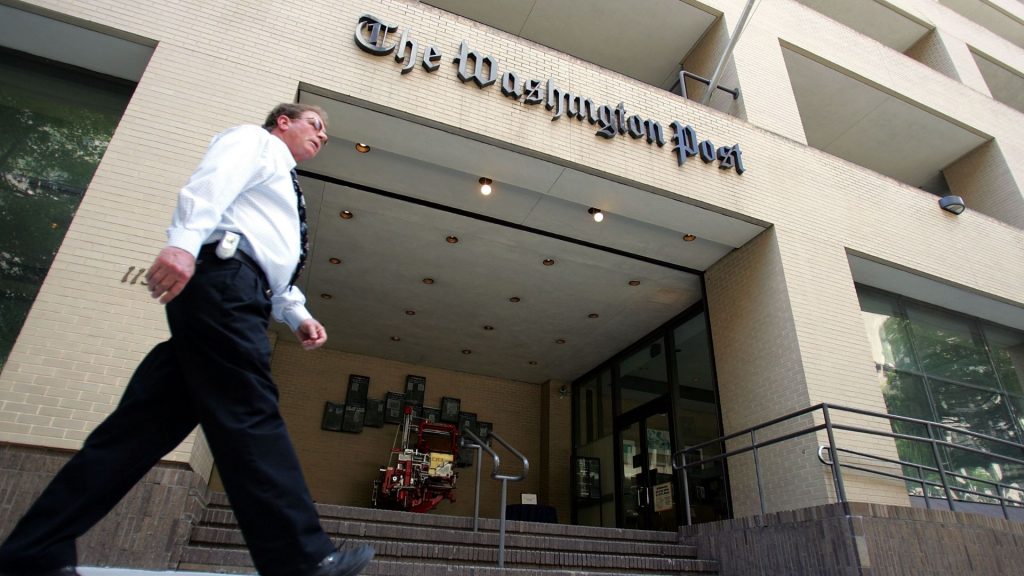
A federal judge has paused the government’s access to devices seized from a Washington Post reporter’s devices following an FBI raid on the journalist’s home. The decision came hours after the paper filed a court response on Wednesday morning.
In the filing, The Post demanded the FBI return items taken from reporter Hannah Natanson’s Virginia home during an “extraordinary” raid. They said the Jan. 14 raid “flouts the First Amendment and ignores federal statutory safeguards for journalists.”
U.S. Magistrate Judge William B. Porter wrote in his order that the government must preserve any materials seized during the raid and may not review them until the court authorizes it, The New York Times reports.
In its filing, The Post stated that it met with federal officials multiple times regarding the seizure. The government had agreed it wouldn’t “begin a substantive review of the seized data” until both parties met again on Jan. 20.
The Post said the government rejected a request to return the seized items on Tuesday. Attorneys for The Post stated they would file a request in court.
The attorneys said federal officials refused to leave the materials unreviewed until the litigation was settled. However, authorities said they were still processing the data found on Natanson’s devices and had not yet begun their review.
“The outrageous seizure of our reporter’s confidential newsgathering materials chills speech, cripples reporting, and inflicts irreparable harm every day the government keeps its hands on these materials,” The Post said in a statement. “We have asked the court to order the immediate return of all seized materials and prevent their use. Anything less would license future newsroom raids and normalize censorship by search warrant.”
Why did the FBI raid a reporter’s home?
According to court documents, FBI agents raided Natanson’s home as part of an investigation into Aurelio Perez-Lugones, a government contractor. He worked as a system administrator in Maryland and held a top-secret security clearance.
The government accused Perez-Lugones of obtaining and taking home classified intelligence reports found in his lunchbox and basement. The FBI alleges that Perez-Lugone printed confidential documents he wasn’t allowed to search for and took notes on a classified report related to government activity.
The Post said Natanson covers the federal workforce and has been a part of some of the company’s most high-profile and sensitive coverage related to federal firings.
A Department of Justice official told The Post that Natanson was messaging Perez-Lugones when authorities arrested him earlier this month. Federal prosecutors charged Perez-Lugones with retaining classified materials but they did not charge him with illegally leaking materials to the press.
Attorney General Pam Bondi said Natanson “was obtaining and reporting classified and illegally leaked information from a Pentagon contractor.”
The Post’s filing stated that “almost none” of Natanson’s seized materials were relevant to the search warrant. Attorneys stated that the FBI “seized Natanson’s newsgathering materials, stored on devices including her Post-issued laptop and cellphone.” They said those devices “contain years of information about past and current confidential sources and other unpublished newsgathering materials, including those she was using for current reporting.”
“The government seized this proverbial haystack in an attempt to locate a needle,” the filing stated.
The post Judge blocks FBI’s access to Washington Post reporter’s seized devices appeared first on Straight Arrow News.
Ella Rae Greene, Editor In Chief