
Red Cross declares severe blood shortage after supply falls 35%
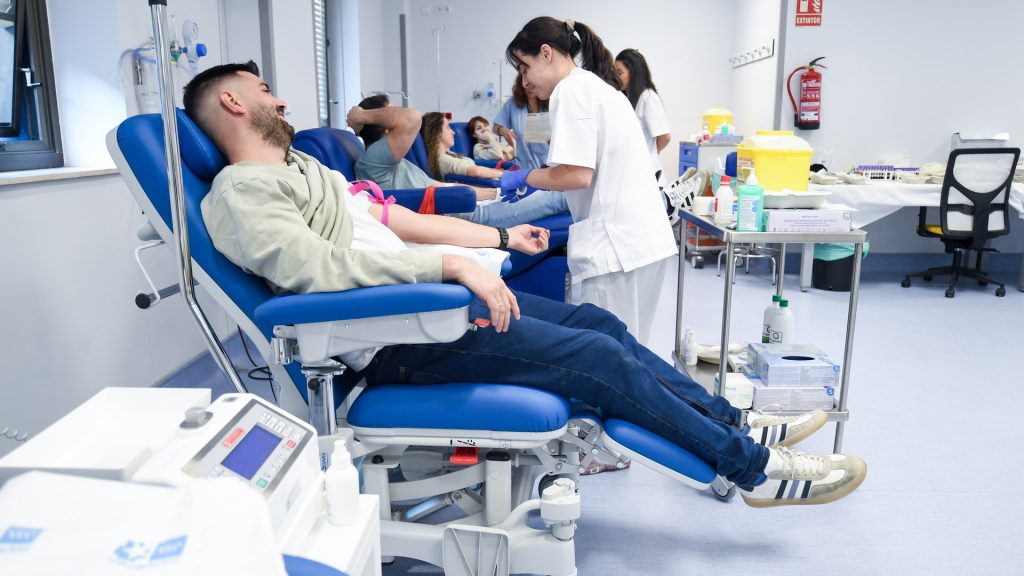
The American Red Cross declared a severe blood shortage on Tuesday after it said the national blood supply fell 35% over the past month. The Red Cross said it is still seeing a significant decline despite efforts to rebuild the supply over the last few weeks.
“This time of year is always challenging for blood collection — but right now, the perfect storm of a long holiday season, record flu activity and winter weather are all impeding donation efforts,” said Dr. Courtney Lawrence, executive medical director for the Red Cross.
Flu season and winter months
The organization blamed recent flu outbreaks for the dropping numbers, saying outbreaks “may be sidelining donors, slowing efforts to rebuild vital blood inventories to help patients and relieve pressure on hospitals.”
Unbiased. Straight Facts.TM
Less than 10% of the eligible U.S. population donates annually. Meanwhile, one in seven people entering a hospital needs blood.

It added that frigid weather forecast for much of the country over the next week could lead to canceled blood drives, noting that about 400 blood drives were canceled last month due to extreme winter weather. That’s more than three times the number affected during the same period last year.
Now, the Red Cross is urging Americans to donate.
“Every person’s blood donation can help save lives — plus you help ease the tremendous burden on our doctors and nurses, allowing them to focus on caring for patients.”
How to help
Obviously, the best way Americans can help is by donating at blood drives or Red Cross donation centers. However, some may not know where to start.
If you’ve never donated blood before, or it’s been a while, there are a few things to know:
First, if you choose to donate at a location where donors get paid for their blood and plasma, it’s less likely to go to another person. Rather, it’ll likely be used for medical and research purposes.
According to the Stanford Blood Center, studies have shown that volunteer donors provide a safer blood supply than paid donors. The Food and Drug Administration requires blood centers to label blood as either volunteer or paid, and hospitals prefer volunteer donors for patients.
Second, the entire process typically only takes about 20 to 30 minutes; some of that time is spent getting ready or recovering afterward.
Donors must have a valid ID when they arrive to donate, and should eat something and drink plenty of water beforehand to lower the risk of feeling faint.
Then, it’s as simple as sitting in a chair, getting a quick poke, and waiting until the donation is complete — a process that typically takes about eight minutes.
Afterward, donors can stop at the refreshment area for a snack or a drink.
To book an appointment for donation, head to RedCrossBlood.org.
The post Red Cross declares severe blood shortage after supply falls 35% appeared first on Straight Arrow News.
Ella Rae Greene, Editor In Chief