What to Do If You’re Involved in a Car Accident
A car accident is not something you wake up in the morning expecting to experience. It’s not something that many drivers are prepared for either, even though someone is killed or seriously injured on a UK road every 17 minutes on average. While 82% of drivers feel safe on the road, the numbers of fatal accidents seem to be increasing year-on-year.
This means preparation is key when it comes to safety on the road, a truth which must also include preparation for the eventuality of an accident. Though preventing accidents from occurring in the first place should be every driver’s aim, there’s no avoiding some accidents, particularly if the accident is through no fault of your own. With this in mind, the following guide explores the key steps you should be taking after a car accident to ensure your safety, compliance with the law, and proper handling of the logistics that follow.
Ensure Immediate Safety
In any accident, the first and foremost priority should be to ensure the safety of everyone involved. If you’re still in control of your vehicle, you need to stop your car immediately, turn on your hazard lights to indicate the accident to other drivers, and then turn your attention to other people involved in the accident.
If you believe you’ve been at all injured in the accident, it may be safer for you not to leave your vehicle so as not to exacerbate any injuries. Otherwise, you should investigate the condition of other people involved and move people to a safe location only if they are clearly not injured in a serious way.
Contact Emergency Services
Having immediately secured the scene and ensured your and other involved parties’ safety, the next port of call is to contact emergency services. If any injuries are clear, you should first call for an ambulance; if there are no clear injuries but the accident was serious in nature, an emergency call should be logged with the police. In non-emergency scenarios, such as a light collision on a side road with no serious damage or injuries resulting, a call to 101 may be more appropriate.
Exchange Information and Gather Evidence
In non-serious accidents, where it’s possible for drivers involved to safely converse with one another, it’s important to exchange details at the scene. These details enable insurance companies to converse with one another, which can simplify future processes. This is also a good opportunity for involved parties to document the scene with photos and videos, and to procure witness statements for future reference.
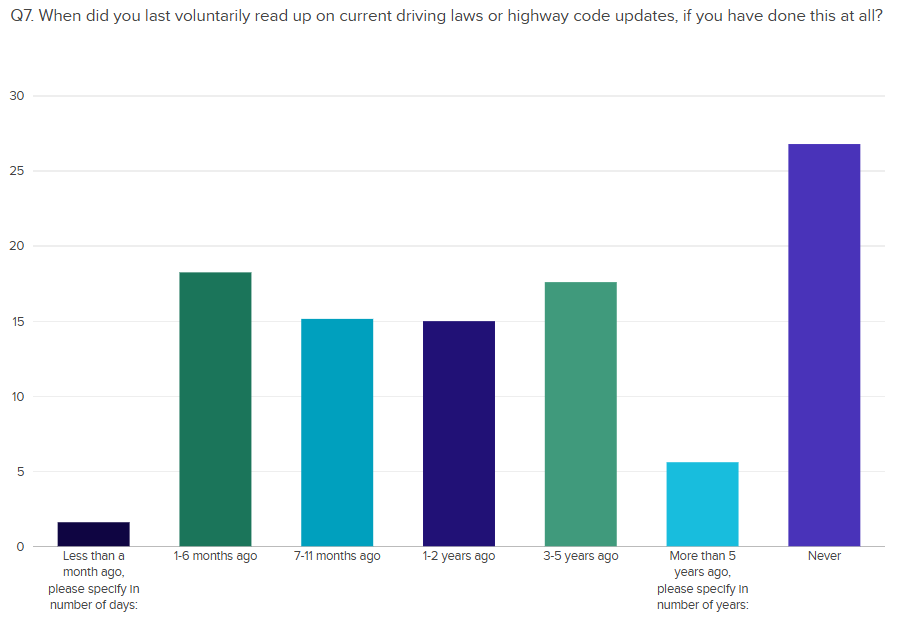
According to National Accident Helpline, less than a third of drivers keep up to date with changes to the Highway Code, even though 84% know it’s their responsibility. This lack of understanding is a common reason for accidents and mistakes during these post-accident procedures, which is why proper documentation is a must.

The Claims Process
Whoever is at fault in an accident, insurance companies need to be made aware of it in order to adjust plans and cover costs accordingly. In the event that an accident wasn’t your fault, you may be eligible for a claim against the other driver; where a car accident resulted in fatal injury, loved ones may be able to lodge a claim on behalf of the family.
This claims process can often be handled without legal action being necessary and is partially the reason why car insurance companies exist. Sometimes, though, situations can get complicated, or drivers-at-fault can refuse to cooperate; in these cases, legal action can become necessary.
The post What to Do If You’re Involved in a Car Accident appeared first on BNO News.
Ella Rae Greene, Editor In Chief