Before Rosa Parks, Claudette Colvin refused to move
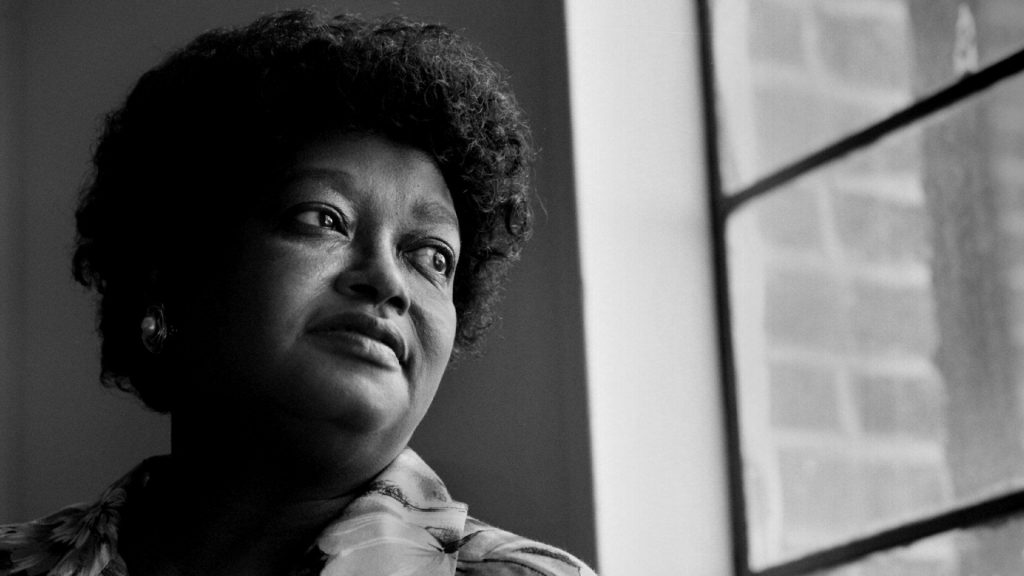
Claudette Colvin was just 15 years old when she refused to give up her bus seat in segregated Montgomery, Alabama. Her defiance came nine months before Rosa Parks, and it ultimately helped crack the law that enforced segregation.
Colvin, whose stand in 1955 put her at the center of a constitutional fight she never sought, died Tuesday at 86. Her death closes the life of a woman whose courage came early, cost her dearly, and was recognized far too late.
A teenager who said no
On March 2, 1955, Colvin boarded a Montgomery city bus and sat in the section reserved for Black riders. When a white woman boarded and the driver ordered Colvin and others to move, two complied. Colvin, however, didn’t.
Police were called. She was dragged off the bus, arrested, and later convicted in juvenile court.
Unbiased. Straight Facts.TM
Claudette Colvin was convicted of assault, disorderly conduct and violating segregation laws, resulting in an “indefinite probation” sentence.
She would later say she stayed seated because history wouldn’t let her move.
“History had me glued to the seat,” she said.
At the time, Colvin was active in her school’s NAACP Youth Council and deeply aware of the racial violence around her. The arrest of a friend, Jeremiah Reeves who was a Black teenager later executed after a disputed rape conviction, weighed heavily on her. So did the daily humiliations of Jim Crow.
Why she wasn’t the face of the movement
News of her arrest spread quickly through Montgomery’s Black community, forcing conversations about how, and when, to push back against segregation. But local civil rights leaders ultimately decided she wouldn’t be the public symbol of the fight.
She was young, poor, and darker-skinned. And later that year, she became pregnant.
So they waited.
And in December of 1955, Rosa Parks was arrested under similar circumstances. Her case became the catalyst for the Montgomery bus boycott and helped propel Martin Luther King Jr. onto the national stage.

Colvin, in the meantime, was left largely out of the story, even as the movement advanced on the very ground she’d helped open.
The case that changed the law
What history long overlooked is where Colvin’s impact proved decisive.

This story is featured in today’s Unbiased Updates. Watch the full episode here.
In 1956, she became one of the four plaintiffs in Browder v. Gayle, the federal lawsuit that challenged bus segregation. Colvin was a central witness, describing her arrest and treatment in detail.
The case succeeded.
Later that year, the U.S. Supreme Court affirmed the ruling, effectively ending bus segregation nationwide.

A quiet life, and late recognition
After her arrest, Colvin struggled to find work in Alabama. She moved to New York, raised her children, and spent decades working as a nurse’s aide. For years, she rarely spoke about Montgomery.
Recognition came slowly.
A biography published in 2009 brought her story to younger audiences. A historical marker was unveiled in Montgomery in 2019. And in 2021, a court formally expunged her juvenile conviction.

“Claudette Colvin’s courage lit the fire for a movement that would free all Alabamians and Americans from the woes of southern segregation,” said Tafeni English-Relf of the Southern Poverty Law Center. “When Colvin was only a teenager, she had the might of a hundred lions. She will be remembered as a mother, a daughter of the South and a leader in a time of great pain and suffering.”
She is survived by her son, grandchildren, great-grandchildren, and several sisters.
The post Before Rosa Parks, Claudette Colvin refused to move appeared first on Straight Arrow News.
Ella Rae Greene, Editor In Chief