Swiss ski resort tragedy the latest in a line of deadly nightclub fires. Why do they keep happening?
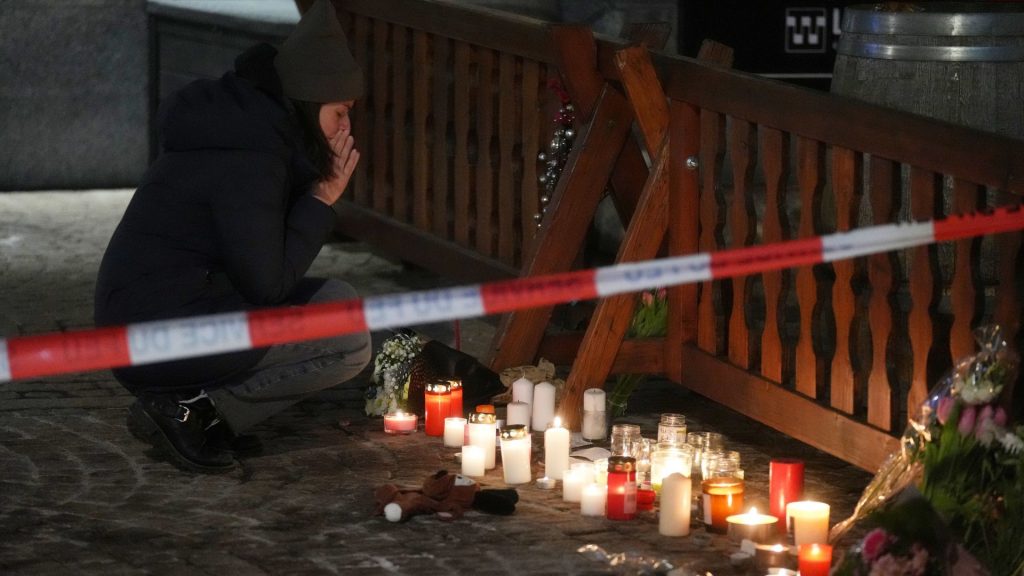
As Switzerland mourns the loss of 40 people killed in a fire at a ski resort on New Year’s, questions about the safety and regulations of large venues have cropped up. Less than a year before Wednesday’s fire, a fire at a nightclub in North Macedonia killed more than 60 people.
Investigators have not released a definitive cause of the fire but said initial investigations point to sparklers setting it off. Sparklers were also blamed for the North Macedonia fire.
Investigators in North Macedonia said the pyrotechnics were pointed at the ceiling and ignited highly flammable acoustic foam, which quickly spread across the building. They also said the building in the Balkan country was overcapacity and lacked several fire safety regulations, including only having one door for the approximately 650 people in attendance.
How frequent are venue fires?
Large, deadly venue fires are not everyday occurrences, but they still happen often enough to remain in the back of many people’s minds. According to the International Nightlife Association, nightclub fires have killed nearly 4,000 people since 1940. However, it’s important to note that this list is incomplete, as it’s missing major fires like the one in North Macedonia.
Since 1929, there have been at least 15 instances of large, deadly fires at venues hosting events in the U.S. The U.S. is also home to the most deadly nightclub fire in recorded history, the Cocoanut Grove fire. The grisly 1942 Boston fire killed 492 people and left more than 100 others injured.
Investigators never determined the cause of the fire but noted numerous issues with the venue that led to a significant death toll. Besides the bar skirting dozens of regulations, the biggest problem was the front door.
After the fire began, it quickly spread, causing those who weren’t immediately overwhelmed by the smoke to rush to the front door. However, the front door was a single revolving door and, when a panicked stampede tried to escape, it became stuck and eventually broke, leaving most without a way out. After the fire, investigators said they found victims piled on top of each other trying to get out.
The fire led to several new regulations for establishments, including banning flammable decorations, requiring emergency exits to remain unlocked and prohibiting revolving doors as the only exit.
What are fire safety standards?
According to the National Fire Protection Association, fires in large venues are among the most deadly types of fire incidents. However, the group said rules covering proper features, systems and construction materials can cut down on potential deaths.
The NFPA says nightclubs, theaters and other large event venues differ from office buildings because they host large numbers of people in a single main space. These buildings must comply with strict fire safety rules. Some of these rules include having large, outward-swinging doors, automatic sprinklers and rigorous building standards that help control fire spread and ensure quick evacuation.
These larger venues also have strict occupancy limits, ensuring the room can still safely evacuate in the event of an emergency. The NFPA says the combination of all safeguards results in a safe environment for people if the venue follows regulations.
The importance of time
Time is critical in emergencies, as fires can spread quickly, especially in older buildings. Video from the Station nightclub fire, which killed 100 in 2003, shows how fast a small fire can fully engulf a building.
Straight Arrow News spoke with Steve Kerber, a member of the National Institute of Standards and Technology, who investigated the fire. Kerber, now the vice president and executive director with UL Research Institutes, said the Station nightclub fire shares several similarities with the Switzerland fire.
The incident occurred at the music venue and nightclub after the band set off pyrotechnics during the show. The sparks ignited acoustic foam on the ceiling and quickly spread to the rest of the building.
“Fires involving highly flammable material, like the polyurethane foam used in the Station nightclub, move very quickly and can engulf an entire room in fire within minutes,” Kerber told SAN.
As the band starts their performance, the camera focuses on the stage just before the pyrotechnics are ignited. The person holding the camera notices fire coming from the ceiling about 30 seconds into the video. They immediately begin to move to the back of the room, near the exit.
Other people begin noticing the fire and moving toward the exit. However, most are still enjoying the show. It’s not until about 50 seconds into the video that the band stops playing and the lead singer says, “Wow, that’s not good.” Then the mood of the crowd turned, with most people beginning to panic and rush to the back. Eight seconds later, a fire alarm sounds, and people appear to visibly panic. About 1:10 into the video, people are already pinned against walls as the crowd pushes to evacuate the building.
After 90 seconds, the camera operator exits the building. At this point, the entire interior of the building is filled with toxic smoke, making it impossible to breathe and see. At two minutes, the camera turns around to face the building’s main entrance. The crowd was so densely packed trying to escape that people were pushed up to the top of the doorway, attempting to pull themselves out of the building.
It took less than 90 seconds from when the camera operator noticed the fire to when it was impossible to escape from the front door.
“In the case of Station, the drummer’s alcove reached flashover within 60 seconds,” Kerber said. “By 90 seconds smoke had spread across the ceiling and was nearing the floor, making visibility impossible.”
‘The difference is clear’
Kerber said the outcome of the Station nightclub fire could’ve been different.
Three days before the incident, a fire similar to the one at Station broke out at another nightclub in Minneapolis. However, at that venue, the building had several safety measures in place and was prepared for an emergency.
“The building included an automatic fire sprinkler system that limited fire growth, allowing all 120 concert attendees to evacuate safely,” Kerber told SAN.
During the fire investigation, Kerber and NIST recreated a nightclub fire and compared how it spread in a room with sprinklers and one without.
“The difference is clear,” he said. “In the room with fire sprinklers, the fire is contained, and the conditions remain tenable, giving crowds time to evacuate.”
The post Swiss ski resort tragedy the latest in a line of deadly nightclub fires. Why do they keep happening? appeared first on Straight Arrow News.
Ella Rae Greene, Editor In Chief