Using the mail for ballots or taxes? New USPS rule could affect those services
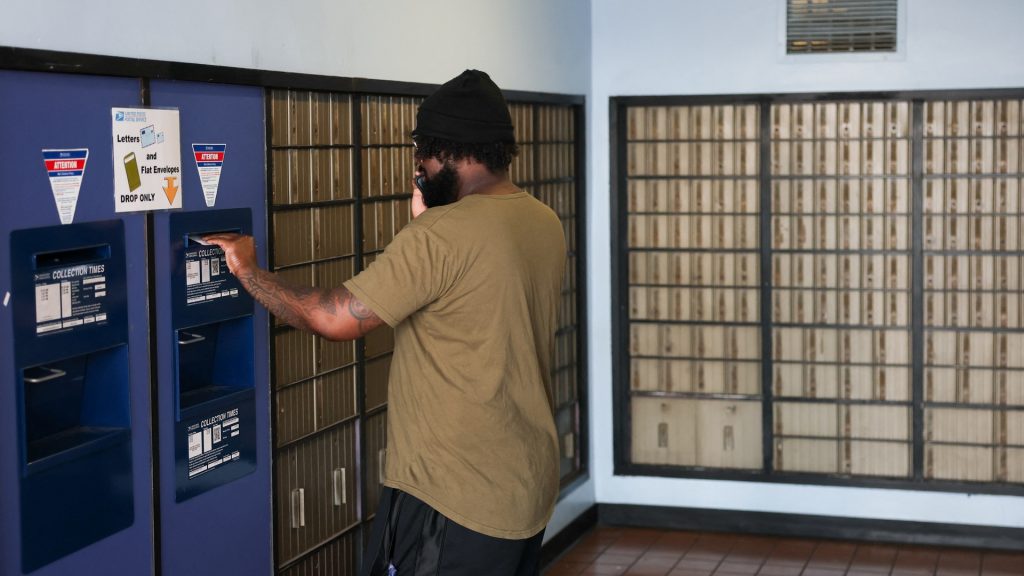
The United States Postal Service’s rule on delayed postmarking went into effect on Christmas Eve, and it has caused confusion and speculation from many about its impact on mail-in ballots with multiple elections happening in 2026. The change reversed a longstanding practice of same-day postmarking.
The change, as stated in the Federal Register, could mean if a person drops a letter — or an election ballot — off at a post office location on a Monday, USPS no longer promises that it will process the mail that same day. Several groups speculated the change put vote-by-mail systems at threat of ending.
“This is how they legally take votes away from people,” podcaster Rob Guerrera wrote on X.
The notice was issued as the post office sought to reduce operational costs to address its financial outlook, which the Government Accountability Office said on Dec. 16 is dim due to losing billions of dollars since 2007. USGAO issued several recommendations Congress and the post office could implement, but so far, they’ve yet to be implemented.
In came the postmarking change that aligned with the agency consolidating its local processing facilities from 200 to 60 regional ones and reducing dispatches between the facilities and local post offices, according to The Brookings Institution.
Kevin Rayburn, an attorney with the Postal Service’s Ethics Office, wrote the final rule on postmarking. He noted that the rule wasn’t put forth to change operations at the post office but to educate people about how postmarking is done.
“As noted, the Proposed Rule does not itself propose any changes to current postmarking procedures; and insofar as members of the public rely on the postmark, they are better served by a rule that clarifies the postmark’s meaning and lists the options available to those who may require a postmark date aligning with the date of first postal possession,” he wrote.

Voters encouraged to utilize other options
Rayburn noted that mailing a ballot back to an election office could be delayed by the rule. But the onus is not on the post office to ensure ballots are returned, he said. Rather, the post office offers a service for mail.
“The Postal Service collects, processes, transports, and delivers mail and packages, and remains fully committed to transporting the nation’s Election Mail when public policy makers choose to use the mail as a part of their election system or when voters choose to utilize our services to participate in an election,” he wrote.
Rayburn said that boards of elections throughout the country have instead taken advantage of the change by informing voters they can hand-deliver ballots or use locality-operated drop boxes. He said people are still encouraged to use common sense when sending mail of any kind that delays could occur, and to drop off mail as soon as possible.
Voters were encouraged to not rely on their states to always accept late ballots. So far, 18 states allow that practice, but a Supreme Court case could invalidate those laws. The Republican National Committee and the Libertarian Party of Mississippi filed a challenge against Mississippi’s law that allowed for late ballots. The state’s attorney general opined that since states control their elections, the law is valid.
Taxes, administrative claims affected
Election ballots aren’t the only items affected by the change. The Brookings Institution said that changing postmarking could mean a delay for people who opt to file taxes by mail, court-imposed filing deadlines and other administrative uses such as claims with federal or state agencies.
The change could mean people unknowingly fail to meet deadlines.
“Structural delays in applying postmarks therefore carry direct legal consequences,” according to the group. “If network changes produce later postmarks for documents that were mailed on time, a taxpayer may appear to have filed past a statutory deadline, with consequences ranging from denied extension requests to the loss of refund claims or the jurisdictional dismissal of a Tax Court petition.”
Several states allow for ballots to be accepted past Election Day if they are postmarked with a date of the election or before. But taxes, court filings and other services could be outright rejected. Rayburn wrote in response to comments about third parties that use postmarking for their business operations that the new rule would make customers better equipped to handle their mail.
“And if policymakers or other entities that create rules utilizing the postmark date are aware of what the postmark date signifies, they are better equipped to determine whether their rules adequately serve their purposes,” Rayburn wrote.
Same-day postmarking can be purchased
Alternatively, options are available and were mentioned in the new rule to help people ensure their mail is accepted. The options involved postal customers purchasing or selecting a la carte services.
The National Society of Tax Professionals encouraged people to take advantage of the options for peace of mind.
One option included requesting at the counter for the person to apply a manual postmark. Another available option is the postage validation imprint that a postal employee applies whenever a person purchases postage stamps at the retail counter.
The final option is purchasing certificates of mailing, registered or certified mail. That option requires a customer to receive evidence an item was presented for mailing.
According to the Postal Service, a certificate can cost between $0.70 and $13.50, depending on the size of the mail. Certified mail starts at $5.30 and increases to $13.70 if a person requests restricted delivery or adult signature. Registered mail costs between $19.70 to $168.50, depending on the declared value.
The post Using the mail for ballots or taxes? New USPS rule could affect those services appeared first on Straight Arrow News.
Ella Rae Greene, Editor In Chief