Congress faces record-low productivity and voter discontent ahead of midterms
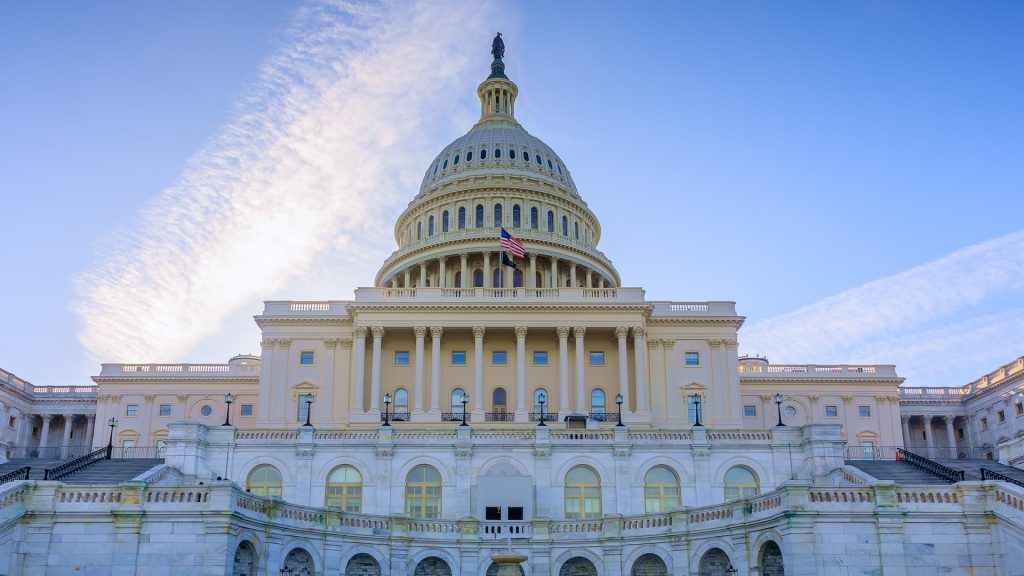
As 2025 draws to a close, Congress faces widespread dissatisfaction from American voters, according to several recent polls. The past year has seen political divisions deepen, with frustration mounting over what many view as legislative gridlock and a lack of meaningful action on pressing issues.
A Gallup poll found that 74% of respondents disapproved of the Democrats in Congress, while 70% voiced disapproval of the Republicans. The numbers highlight a rare consensus across party lines: 80% of Americans say Congress, regardless of political affiliation, is failing to perform its duties. The data suggests that the public’s discontent is less about partisanship and more about perceived ineffectiveness.
A Quinnipiac University poll echoed these findings as the nation prepares for midterm elections. The poll asked voters which party they want to control the House of Representatives in the coming year. Results showed that 47% favored the Democratic Party, while 43% preferred Republican leadership. The margin has tightened since October, when Democrats held a wider 50-41 advantage. The shift signals growing uncertainty among the electorate and underscores a broader malaise about the direction of government.
“A family squabble spills over into the holidays. Democratic voters want their party to hold the reins of the House, but are not the least bit happy about what they are doing at the moment,” said Tim Malloy, a polling analyst at Quinnipiac University. Analysts note that dissatisfaction among Democratic voters could affect turnout and enthusiasm in upcoming elections, potentially shifting the balance of power.
One factor contributing to voter frustration is the record-low number of bills signed into law. According to data compiled by C-SPAN and Purdue University, Congress set a modern record for legislative inactivity in the first year of the new presidency, passing only 38 bills into law. The data, which tracks Congressional output since 2010, reflects a continuing trend of declining productivity. Observers note that such inactivity is especially striking given the range of challenges facing the country, from economic recovery to foreign policy concerns.
Sen. Josh Hawley, R-Mo., attributed the low output to the increasing use of executive orders, rather than bipartisan legislation. In comments to The Washington Post, Hawley said the president’s reliance on executive authority allows policies to be reshaped or reversed by future administrations, undermining stability and consistency.
“He has signed every executive order he could possibly think of on this. And there just comes a point at which it’s like, Congress sooner or later has to legislate. I mean, you can sign EOs, but he needs somebody to codify those,” Hawley said.
As lawmakers prepare to return for the next legislative session, both parties face mounting pressure to demonstrate progress on key issues. With midterm elections on the horizon, the stakes for Congress —and the country — have rarely been higher.
The post Congress faces record-low productivity and voter discontent ahead of midterms appeared first on Straight Arrow News.
Ella Rae Greene, Editor In Chief