DOJ dumps thousands more Epstein files overnight
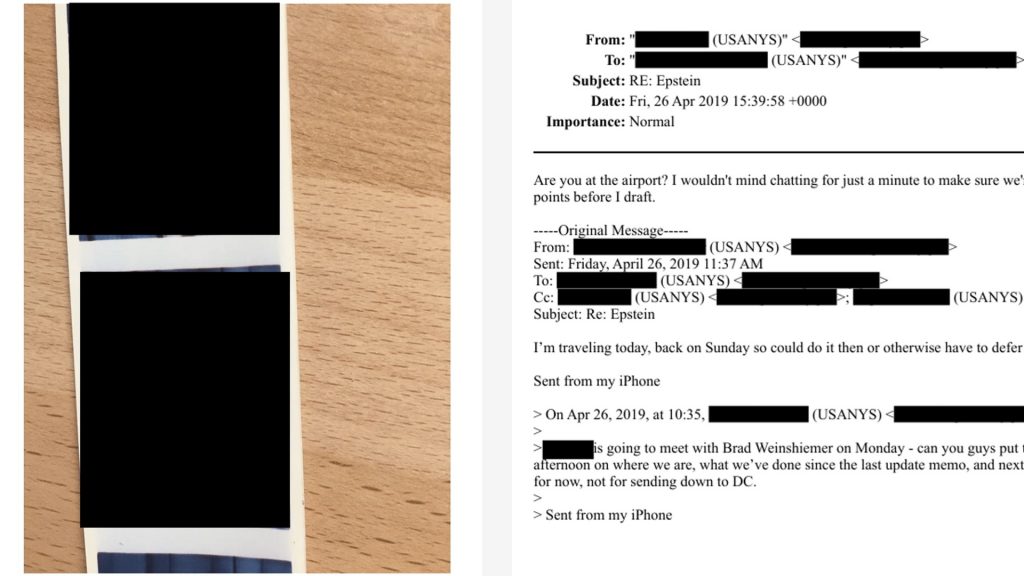
The Justice Department released a massive new batch of Jeffrey Epstein records early Tuesday morning, dramatically expanding the trove of files made public under a new transparency law. The overnight disclosure comes as Senate Democrats move to force legal action against the DOJ, arguing the department is still not complying with Congress’s order.
More than 11,000 additional files were uploaded to the Justice Department’s Epstein repository, making this the largest release so far. The release is intensifying pressure on the administration just days after a missed deadline.
A major overnight release
The Justice Department says the latest drop includes court records, FBI and DOJ documents, emails, photos, videos and investigative material tied to Epstein and his co-conspirator, Ghislaine Maxwell. The new files were added to the DOJ’s public database early Tuesday as part of what officials describe as a rolling release.
The department has said the sheer volume of material and the need to protect survivors require phased disclosures rather than a single, comprehensive release. Critics, however, say the piecemeal approach violates both the letter and intent of the law.
Unbiased. Straight Facts.TM
As of Tuesday, the DOJ has released tens of thousands of files, including photos, grand jury transcripts, emails, videos and court records.
The initial batches released Friday and Saturday included thousands of personal photographs, grand jury materials, and investigative inventories. The newest release appears broader, spanning internal communications, prison-related records, and other materials reviewed by federal investigators.
Schumer escalates pressure on DOJ
Hours before the latest documents were posted, Senate Minority Leader Chuck Schumer announced he is introducing a resolution to push the Senate toward legal action against the Justice Department.
Schumer accuses the DOJ of breaking the Epstein Files Transparency Act by releasing heavily redacted records instead of the full set of documents Congress ordered made public.
“The law Congress passed is crystal clear: release the Epstein files in full so Americans can see the truth,” Schumer wrote. “Instead, the Trump Department of Justice dumped redactions and withheld the evidence — that breaks the law.”
Schumer called the DOJ’s initial release a “blatant cover-up” and said the Senate has a responsibility to act.
What the law required, and what DOJ delivered
Under the Epstein Files Transparency Act, the Justice Department faced a Friday deadline to publicly release unclassified records tied to federal investigations of Jeffrey Epstein, who died in jail in 2019.
The DOJ released thousands of pages of material , including investigative records, testimony, and photographs, but acknowledged it did not meet the full disclosure requirement by the deadline. The department says the law allows redactions to protect victims and sensitive information, but critics argue the scope of the redactions goes far beyond what Congress intended.
The Justice Department has said it is continuing to review and release documents in phases.
Pressure builds from both chambers
Schumer’s move comes one day after Reps. Ro Khanna and Thomas Massie announced plans to pursue inherent contempt proceedings against Attorney General Pam Bondi, a rarely used congressional power that could authorize fines or detention until compliance.
Massie has said inherent contempt is the fastest way to force action, while Khanna argues the DOJ’s handling of the files is a “slap in the face” to survivors.

DOJ and Trump push back
Deputy Attorney General Todd Blanche has rejected claims that the department is defying the law, saying the DOJ is prioritizing victim protections while working through a massive volume of material. Asked Sunday about potential legal or contempt actions, Blanche responded on NBC, “Bring it on.”
President Donald Trump weighed in on the Epstein controversy Monday evening at Mar-a-Lago, dismissing the scrutiny as politically motivated.
“What this whole thing is with Epstein is a way of trying to deflect from the tremendous success that the Republican Party has,” Trump said.

Schumer and other critics argue the dispute has nothing to do with political wins or losses, and everything to do with whether the Justice Department followed a law Congress passed unanimously.
What happens next
Schumer is expected to force consideration of his resolution when the Senate returns from recess in January. While it’s unclear whether the measure would garner enough support to pass, it would put senators on record. It would also keep pressure squarely on the Justice Department as scrutiny over the Epstein files continues.
The post DOJ dumps thousands more Epstein files overnight appeared first on Straight Arrow News.
Ella Rae Greene, Editor In Chief