Justice Department re-releases Epstein files after scrutiny over redactions
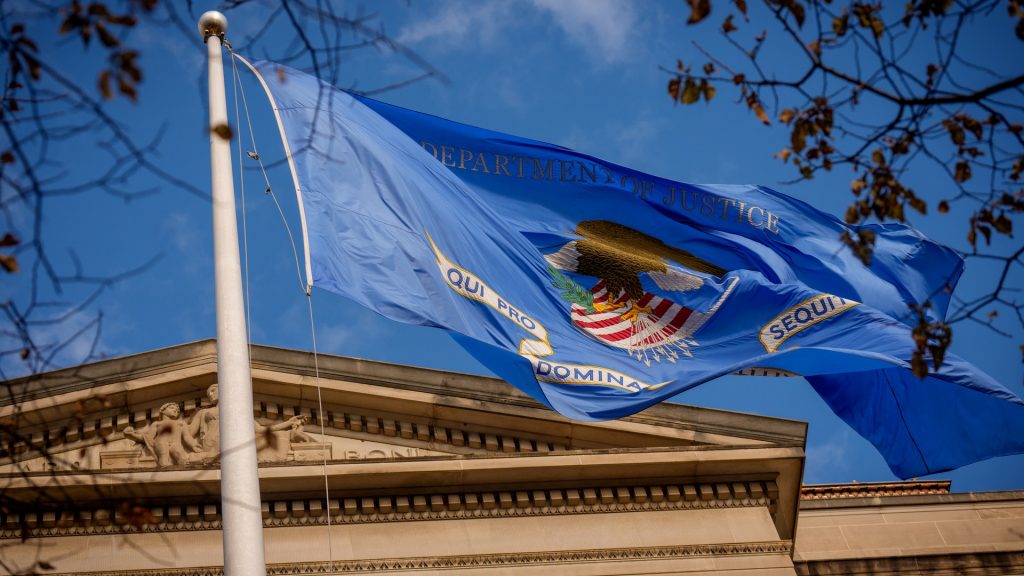
The Department of Justice re-released documents from Friday’s dump of files connected to convicted sex offender Jeffrey Epstein. The DOJ said the documents are constantly under review.
“Documents and photos will continue to be reviewed consistent with the law and with an abundance of caution for victims and their families,” the department posted on X.
Deputy Attorney General Todd Blanche took to Sunday morning news outlets in response to files, including at least one photo of President Donald Trump, that were removed from the files on Saturday. The Associated Press and The New York Times reported at least 16 were taken down, while CBS News said 15 were.
On Sunday afternoon, the DOJ elaborated on the picture removal on social media. The department also reported the picture has been reposted.
On Sunday’s “Meet the Press,” Blanche said the removal of the photos had nothing to do with Trump. He added the request came from victim advocacy groups.
“We don’t have perfect information,” Blanche said. “And so when we hear from victims-rights groups about this type of photograph, we pull it down and investigate.”
Blanche also responded to criticisms regarding the incomplete release of the files.
“The reason why we are still reviewing documents and still continuing our process is simply that to protect victims,” Blanche said.
Reps. Thomas Massie, R-Ky., and Ro Khanna, D-Calif. appeared on CBS News’ “Face the Nation” as well on Sunday morning. Both men responded to the re-release on X prior to the appearance, calling the recent redactions illegal.
Khanna told CBS the removal of documents is a distraction to the real issue — the delay of releasing all the documents.
“When there’s a law requiring these names to come out, what we’re seeing is survivors names come out, but not the men who abuse them. And instead of holding elites accountable, [U.S. Attorney General] Pam Bondi is breaking the law,” Khanna said.
Massie said he and Khanna are drafting inherent contempt against Bondi. If passed by the House, Congress may enforce contempt rulings under its own constitutional authority until criminal and civil contempt statutes were passed.
The release is part of the Epstein Files Transparency Act, passed in November. The law gave the government until Dec. 19 to make the documents public.
The law only allows the redaction of the victim’s identity or information that could impact pending investigations. Officials are also allowed to redact information “in the interest of national defense or foreign policy.”
The post Justice Department re-releases Epstein files after scrutiny over redactions appeared first on Straight Arrow News.
Ella Rae Greene, Editor In Chief