The Fed cut rates 3 times in 2025, but don’t bank on that pace for 2026
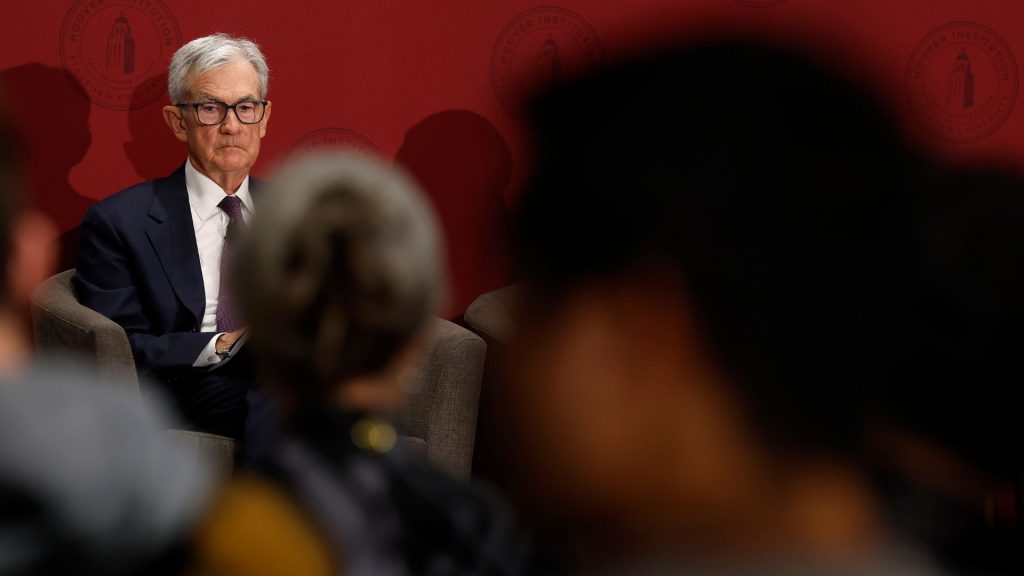
For the third time this year and the third straight meeting, the Federal Reserve cut its benchmark interest rate by a quarter percentage point on Wednesday. Stocks stayed high as traders anticipated the cuts, but they are less optimistic the Fed will keep up this cutting pace into the new year.
Wednesday’s cut follows actions by the Fed to cut by 25 basis points in September and another 25 basis points a month later. The federal funds target range, the rate banks use to set overnight lending, now sits at 3.5%-3.75%.
A divided decision
The majority of the Fed voted to cut rates by 25 basis points, but it wasn’t unanimous.
Nine members, including Fed Chair Jerome Powell and Vice Chair John Williams, voted in favor of the cut. However, three people dissented.
Chicago Fed President Austan Goolsbee and Kansas City Fed President Jeffrey Schmid preferred no cuts to the rate. Fed Governor Stephen Miran also voted against the quarter-percentage-point reduction, preferring a half-percentage-point cut instead.
During his rate-cut announcement, Powell said inflation is still “somewhat elevated”, which he blamed on tariffs.
“These readings are higher than earlier this year, as inflation for goods has picked up, reflecting the effects of tariffs,” he said.
But he said he did not believe the Fed would increase rates going forward.
“I don’t think that a rate hike … is anybody’s base case at this point,” Powell said. “I’m not hearing that.”
Stocks rose during the meeting as he answered questions with reporters. By the tail end of his speech, the Dow Jones Industrial Average had risen more than 1% on the day, while the S&P 500 gained more than 0.7%.
Fed once again in the dark
The Fed cut rates for a second time without critical government data because of the record-breaking shutdown that began in October. The Bureau of Labor Statistics canceled the release of October’s consumer price index and producer price index. The BLS also delayed the release of November’s CPI report by about one week. It is now expected to be released on Dec. 18.
October’s rate cut was the first time in history the Fed cut rates without the BLS inflation data. During the record-breaking shutdown from December 2018 to January 2019, the government continued to fund the Bureau of Labor Statistics, and analysts continued to release data.
What’s going on with inflation?
Despite still being in the dark on the latest data points, the Fed still received a delayed release of its preferred inflation gauge ahead of Wednesday’s decision. The personal consumption expenditures price index showed a 2.8% annual rise in prices in September in data released Dec. 5. This is higher than the Fed’s targeted 2% inflation rate, but is much lower than inflation was following the pandemic.
The Fed states on its website that a 2% inflation rate provides the maximum employment and price stability for consumers. Powell has said he believes 2% is the sweet spot for the country; low enough to prevent severe price instability but high enough to avoid deflation.
In addition to the rate cut, the Fed also released its Summary of Economic Projections. The document shows where the Open Market Committee participants project the economy will go next year.
The committee predicts the country will see improved inflation numbers next year, but only one rate cut. Participants projected an average fed funds rate of 3.4% in 2026, while the current range sits at 3.5%-3.75%.
They also project core inflation will drop to about 2.5% in 2026, which is slightly lower than the 2.6% members projected in September. Gross domestic product (GDP) is also projected to rise more than what members projected in September. They now believe it will increase to 2.3% by the end of next year.
Other groups released their own projections about the future of the U.S. economy before the Fed’s release. Goldman Sachs expects the inflation rate to decline modestly to about 2.34% by December 2026. They believe the Fed will cut rates twice in 2026, once in March and again in June.
However, financial services company CME Group projects the Fed won’t cut rates until June’s meeting, after Powell leaves his chair position in May. CME FedWatch currently puts the probability at two cuts for 2026.
Future of Fed independence
Trump is widely expected to choose his economic adviser, Kevin Hassett, to lead the Fed. However, some economists have raised concerns about Hassett’s independence, given his close ties to both Trump administrations.
Hassett has insisted that he would not cave to Trump’s presidential pressure to cut rates unless it made sense for the economy in comments made at a Wall Street Journal summit on Tuesday.
“If the data suggests that we could do it, then — like right now — I think there’s plenty of room to do it,” he said, referencing the rate cuts. “I think the most important job that the Fed chair has is to be looking at the economic data and to avoid being part of politics.”
The post The Fed cut rates 3 times in 2025, but don’t bank on that pace for 2026 appeared first on Straight Arrow News.
Ella Rae Greene, Editor In Chief