If you’re not an American, going to a national park is going to cost a lot more
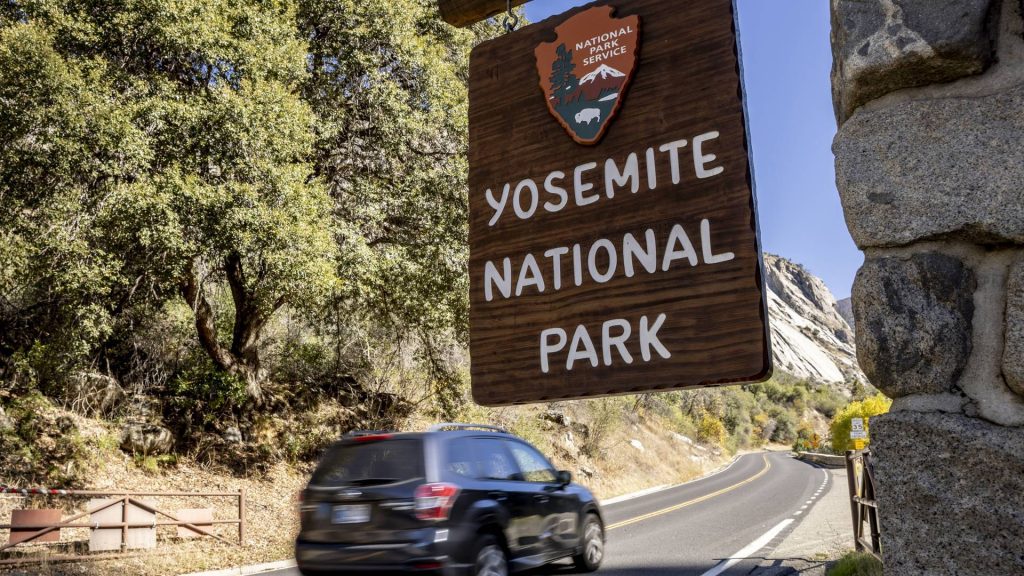
The National Park Service is unveiling “America-first” pricing at some of the most popular national parks, imposing a $100 surcharge on visitors from other countries. Starting next year, foreign nationals will also be charged $170 more than American citizens for a digital annual pass that’s good across the federal parks system.
The Department of the Interior announced the move in a press release on Tuesday. It said that an America the Beautiful pass will remain at $80 for U.S. residents, but will go up to $250 for foreign tourists. Beginning on Jan. 1, foreign visitors without a yearly pass will have to pay the $100 surcharge to enter any of 11 parks, most in the Western U.S.: Acadia, Bryce Canyon, Everglades, Glacier, Grand Canyon, Grand Teton, Rocky Mountain, Sequoia and Kings Canyon, Yellowstone, Yosemite and Zion.
The yearly pass is available for $20 for citizens permanent residents 62 and older, while fourth-graders and members of the American armed forces can get the annual pass free.
The digital pass is available online at Recreation.gov.
Trump administration touts new policy
The Trump administration called the creation of a digital pass “the most significant modernization of national park access in decades” and “a new resident-focused fee structure that puts American families first.”
“These policies ensure that U.S. taxpayers, who already support the National Park System, continue to enjoy affordable access, while international visitors contribute their fair share to maintaining and improving our parks for future generations,” Interior Secretary Doug Burgum said in a statement.
The pricing changes follow Trump’s executive order in July designed to “increase revenue and improve the recreational experience at national parks.”
The U.S. will join other countries that charge foreign visitors more than residents at parks and cultural sites, including Japan, Thailand, Rwanda, Tanzania, Chile, Ecuador and others. Many other nations have no entrance fees at national parks.
Concerns over impact
Some have expressed concerns with the new pricing rules.
“We believe increased national park fees including in Yosemite could harm our rural local economy and small businesses that rely on international visitors,” Jonathan Farrington, CEO and executive director of the Yosemite Mariposa County Tourism Bureau in California, told The Washington Post in an email.
He said foreign tourists make up a quarter of visitors to the California park and half of the county’s jobs are related to tourism.
International tourism to the county is already down 9% since 2024, Farrington said. He blames inflation, the increased cost of travel and changing exchange rates.
Foreign tourism is also down at other parks, including Yellowstone. Nearly 15% of its visitors in 2024 came from outside the United States, down from close to 30% roughly six years earlier, according to a summer visitation study.
Farrington said he’s concerned that the new fees, which require identification checks at access points, may lead to traffic congestion. He said Yosemite currently employs a reservation system to alleviate delays caused by large summertime crowds.
At least 80% of recreation fees at a park stay at the location they were charged, as mandated by the Federal Lands Recreation Enhancement Act.
Fee-free days changing
In another change for 2026, national parks will suspend entrance fees on eight holidays and other special occasions — but only for U.S. residents. Those days include Presidents’ Day on Feb. 16, Flag Day on June 14, Constitution Day on Sept. 17 and President Theodore Roosevelt’s birthday on Oct. 27.
Some holidays and significant historical events were removed from the list of free holidays, including Martin Luther King Jr. Day, Juneteenth and National Public Lands Day.
The post If you’re not an American, going to a national park is going to cost a lot more appeared first on Straight Arrow News.
Ella Rae Greene, Editor In Chief