Senators want FTC, SEC investigation into Meta making billions on scam ads
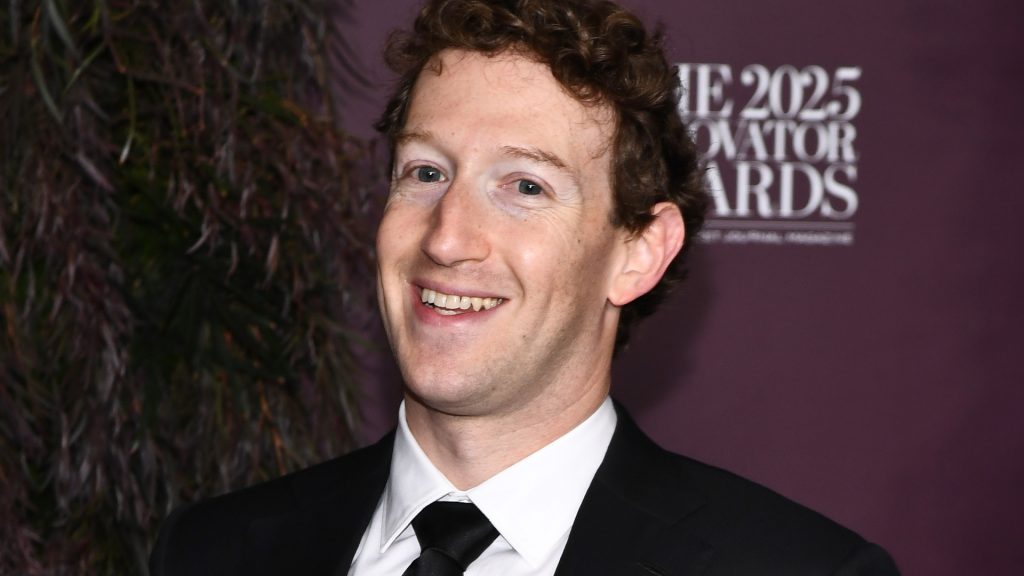
Two United States senators are calling for the Federal Trade Commission (FTC) and Securities and Exchange Commission (SEC) to investigate whether Meta is profiting from scam ads. A Reuters report, citing internal company documents, found that the company knowingly makes billions of dollars from these advertisements.
“Meta’s central, facilitating role in scams against consumers is unprecedented: by its own employees’ assessment, Meta was involved in one-third of all successful scams in the US and was unmatched by other Big Tech platforms,” Sens. Richard Blumenthal, D-Conn., and Josh Hawley, R-Mo., wrote in a letter to the FTC and SEC.
Meta’s scam ads profits
Meta, which owns Facebook and Instagram, makes billions of dollars from scam advertisements each year. The Reuters investigation found the company expected to earn up to $16 billion in 2024, running advertisements for scams or banned goods; that’s 10% of its overall revenue. The documents also showed that the company estimated 15 billion “higher risk” scam advertisements are sent to users every day.
The senators said if the FTC and SEC can verify the Reuters report, Meta should be forced to give up all profits from those ads, pay civil penalties, hold individual executives accountable, and enter into a binding agreement that would require the company to end scam ads.
“As it does every time its abuses and failures are discovered, Meta has repeatedly claimed it is cleaning up its act — but there is overwhelming evidence it continues to knowingly profit from fraud,” the senators wrote. “Even a short review of Meta’s Ad Library at the time of this letter shows clearly identifiable advertisements for illicit gambling, payment scams, crypto scams, AI deepfake sex services, and fake offers of federal benefits, advertisements that often falsely appear to link to legitimate sites.”
You can browse Meta’s ad library here.
Fake investments, fraudulent government benefits and more
Reuters showed multiple scam ads to the company, which proceeded to remove them. They include a fake Elon Musk partnership with an investment management company, a fake President Donald Trump claiming to give $710 in government benefits to all Americans, and even a fake legal advertisement directed at those who fell for fake scams claiming they can help you get your money back.
These ads are good examples of what people often see –– fake government benefit schemes, criminal investment scams and even deepfake pornography.
Meta’s response: It’s a distortion
Meta spokesperson Andy Stone said Reuters’ reporting distorts the company’s approach to scams and fraud.
“We aggressively fight fraud and scams because people on our platforms don’t want this content, legitimate advertisers don’t want it and we don’t want it either,” Stone said.
There are ongoing investigations into Meta’s advertising practices in the U.S. and the U.K. Meta’s internal documents show the company is certain it will be fined for these scam ads, with fines up to $1 billion.
The post Senators want FTC, SEC investigation into Meta making billions on scam ads appeared first on Straight Arrow News.
Ella Rae Greene, Editor In Chief