The Nigerian prince’s new gig: X location feature reveals new scam
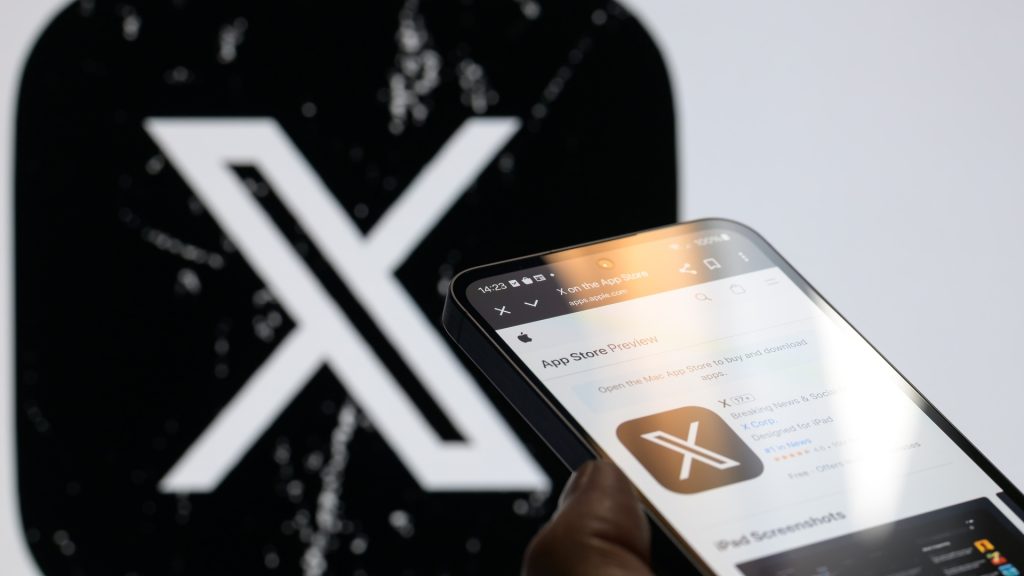
The social media platform X rolled out a new transparency tool over the weekend that shows users’ actual locations. The update set off a chain reaction of confusion and backlash, along with a few surprising discoveries.
X launched its “About This Account” feature globally, giving users the ability to check how many times an account has changed usernames, how it connects to X and where the account is based.
Nikita Bier, X’s head of product, wrote ahead of the rollout that the feature is “an important first step to securing the integrity of the global town square.”
For a quick recap of how the weekend unfolded, take a look at Bier’s subsequent post: “I need a drink.”
What is X’s ‘About This Account’ feature?
Although the tool was meant to boost transparency, it quickly created backlash. Many users focused on U.S. political accounts that appeared tied to other countries in Asia or Africa. This led to a wave of posts criticizing what some saw as misleading profiles.
A now-deleted account with the name “ULTRAMAGA  TRUMP2028” claimed President Trump was his president.
“No. Trump isn’t your President,” user Ed Krassenstein wrote. “You are in Macedonia!”
Did X accidentally expose government accounts?
The Department of Homeland Security was even dragged into the drama after screenshots and screen recordings alleged the agency’s account was based in Israel.
According to Bier, a very small set of older accounts displayed incorrect country data because Internet Protocol (IP) ranges changed over time.
DHS responded directly, saying the account has always been managed from the United States.
“Screenshots are easy to forge, videos are easy to manipulate,” a DHS post read.
Bier reposted a message from former United Nations Ambassador Nikki Haley, who warned she has “long said” that foreign actors use social media to influence American politics.
“The location feature on X is a huge win for transparency and American security,” Haley wrote. “Other social media platforms should do the same.”
Political accounts weren’t the only ones exposed
The feature didn’t just call out political accounts. It also uncovered scammers and impersonators who had been operating largely unnoticed.
One example involved social media influencer Kya Renee (also known as Cookin’ Wit Kya), a creator with millions of followers on TikTok and Instagram. Despite her warnings that she doesn’t use X, a separate X account using her photos and videos built an audience of more than 348,000 followers.
The impersonator promoted “DM for promo” offers and replied under her images, urging people to message them for paid ads. Many followers likely had no idea anything was wrong.
But once users clicked into “About This Account,” the truth appeared. The account was based in Nigeria, while Kya Renee is based in the United States.
A dating guru with a big following and an unexpected location
Another account, “The Man Maker,” with more than 353,000 followers, frequently posts takes on dating and health advice targeted at men. Its profile photo is of actor Jason Statham, although the account doesn’t list a real name.
The bio encourages users to “DM to grow your X account” and links to a Substack newsletter. The account even offers $3 monthly creator subscriptions with “growth tips” and “personal guidance.”
But the account’s “About” page shows it’s based in India.
After users called out the location, the account responded by posting, “Sign of low testosterone: You hate someone because of their location.”
One user summarized the frustration that many felt, writing that it’s okay to be from another country.
“What’s not ok is to be from anywhere pretending to be American,” the person wrote. There’s no place for fraudsters and scammers on this platform.”
Locations may continue to shift
The feature has already helped expose questionable profiles. Yet some users claim certain accounts changed locations after being called out, leading to speculation that operators switched to American VPNs to again give the appearance of being based in the U.S.
If you click the exclamation mark in an account’s about page, you may see a message that reads:
“One of our partners has indicated that this account may have used a proxy — such as a VPN, which may change the country or region that is displayed on their profile.”
Despite the confusion, the tool is now a quick way to verify an account’s authenticity. And for anyone considering paying someone on X for their services, checking their details first might save money and trouble.
The post The Nigerian prince’s new gig: X location feature reveals new scam appeared first on Straight Arrow News.
Ella Rae Greene, Editor In Chief